1:1 Traces of Memory
An exhibition resulting from an urban research laboratory organized by the Nevskaya Zastava Museum and artist-curator Yulia Pavlova
Venue: S. P. Diaghilev Museum of Contemporary Art, St. Petersburg State University
This exhibition is the culmination of an urban research laboratory that took place in Ust-Slavyanka during the summer of 2025 as part of a program dedicated to promoting the cultural heritage site F. N. Slepushkin’s Inn.
Fyodor Nikiforovich Slepushkin, the first owner of the house, rose from serf origins to become a merchant, industrialist, and self-taught poet. His life and legacy became an important point of departure for the laboratory’s research.
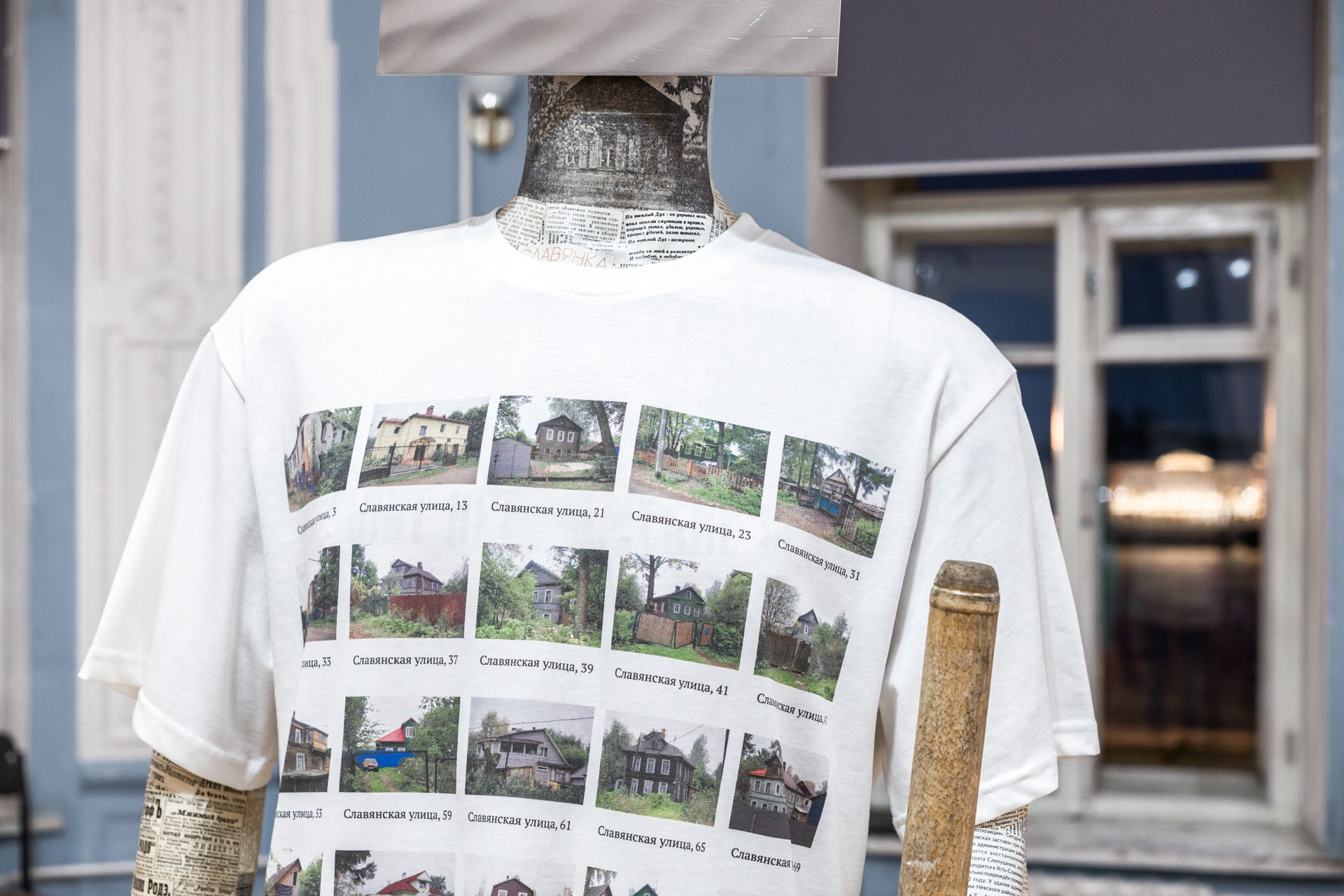
During the summer of 2025, laboratory curator Yulia Pavlova, Natalia Titorenko, Deputy Director of the Nevskaya Zastava Museum, and the participating artists explored the Slepushkin House and the Ust-Slavyanka district. They studied the history of the site, worked with archival documents and oral histories collected from local residents, and developed their own walking routes through the neighborhood as a means of investigating its cultural and historical landscape.
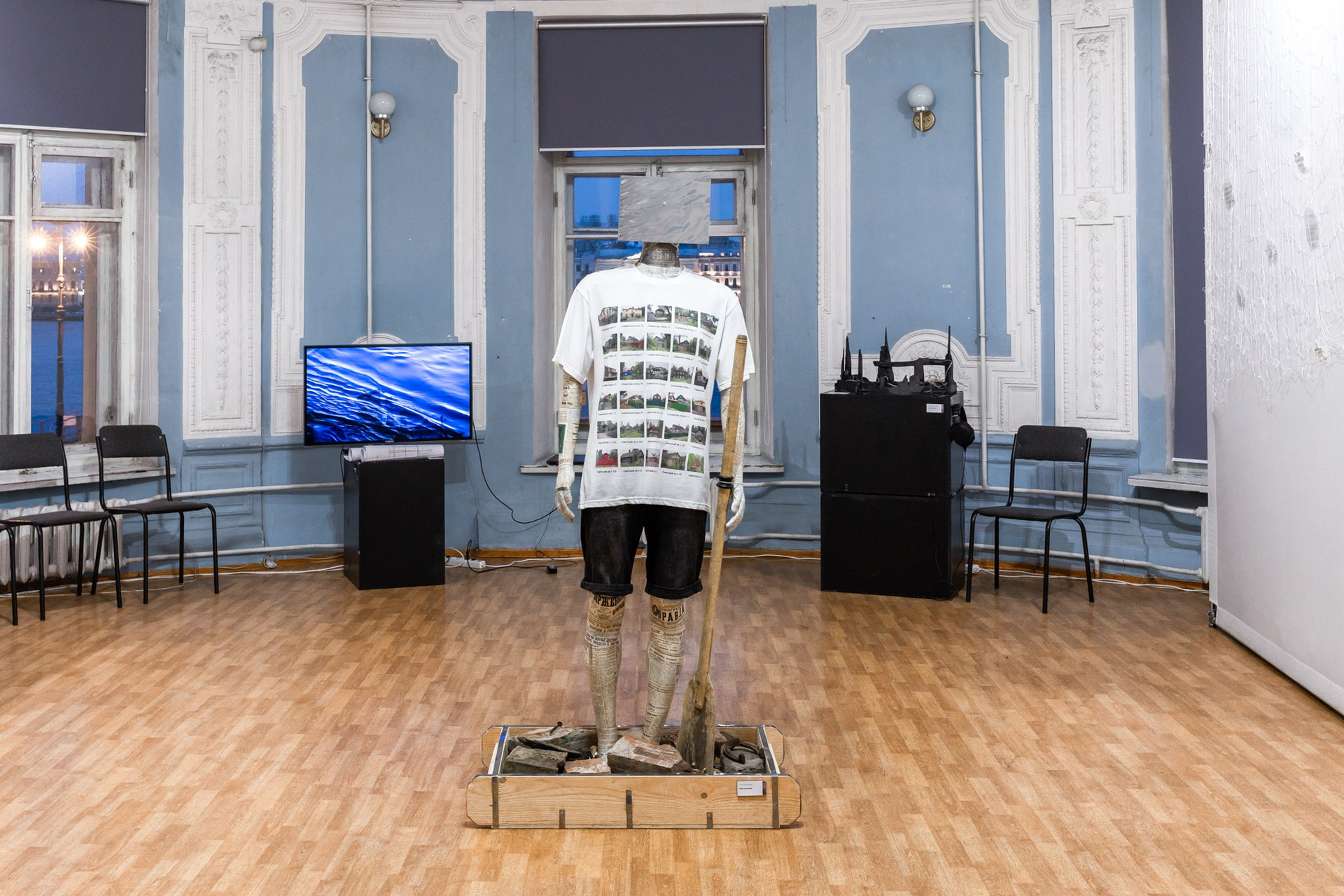
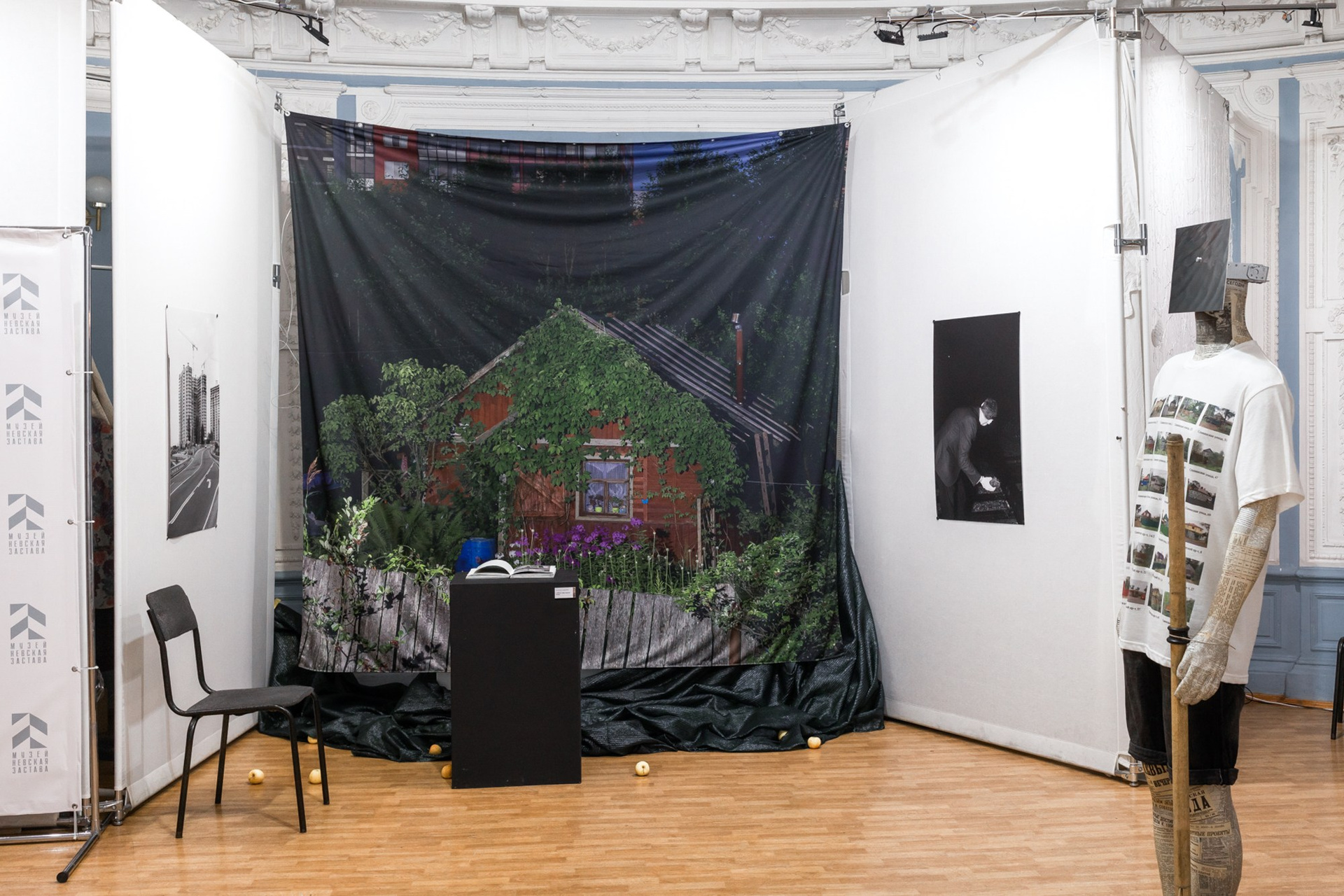
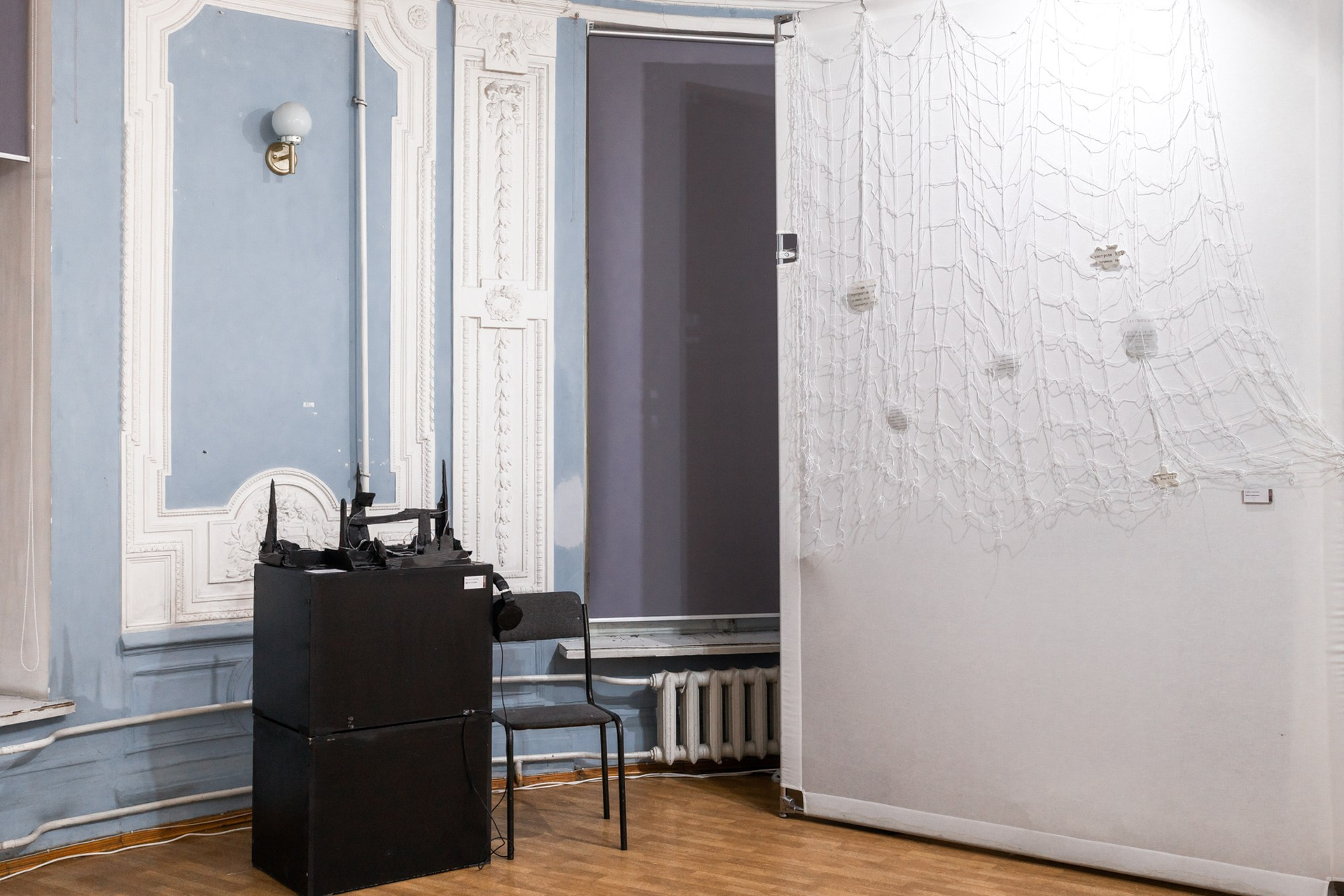
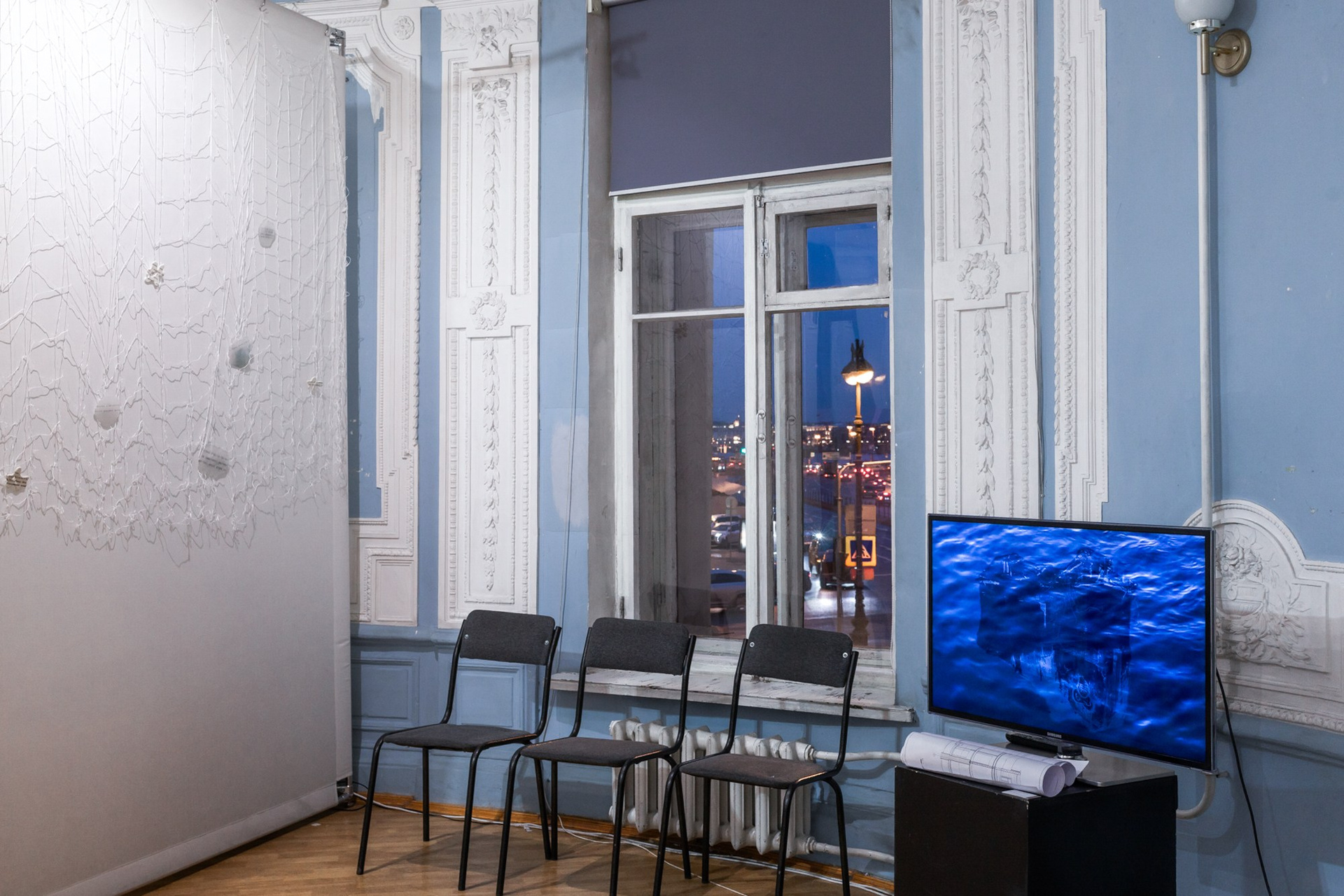
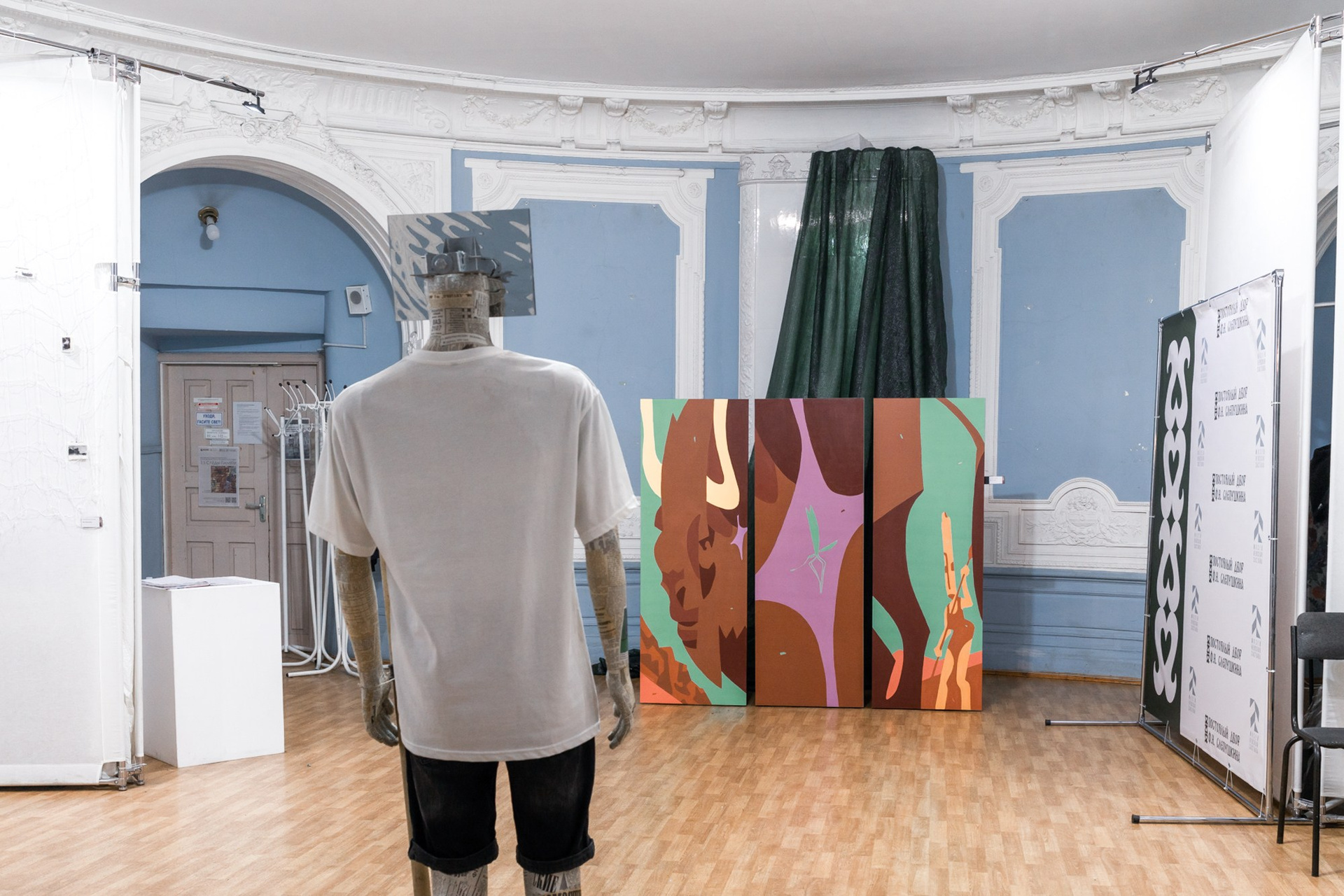
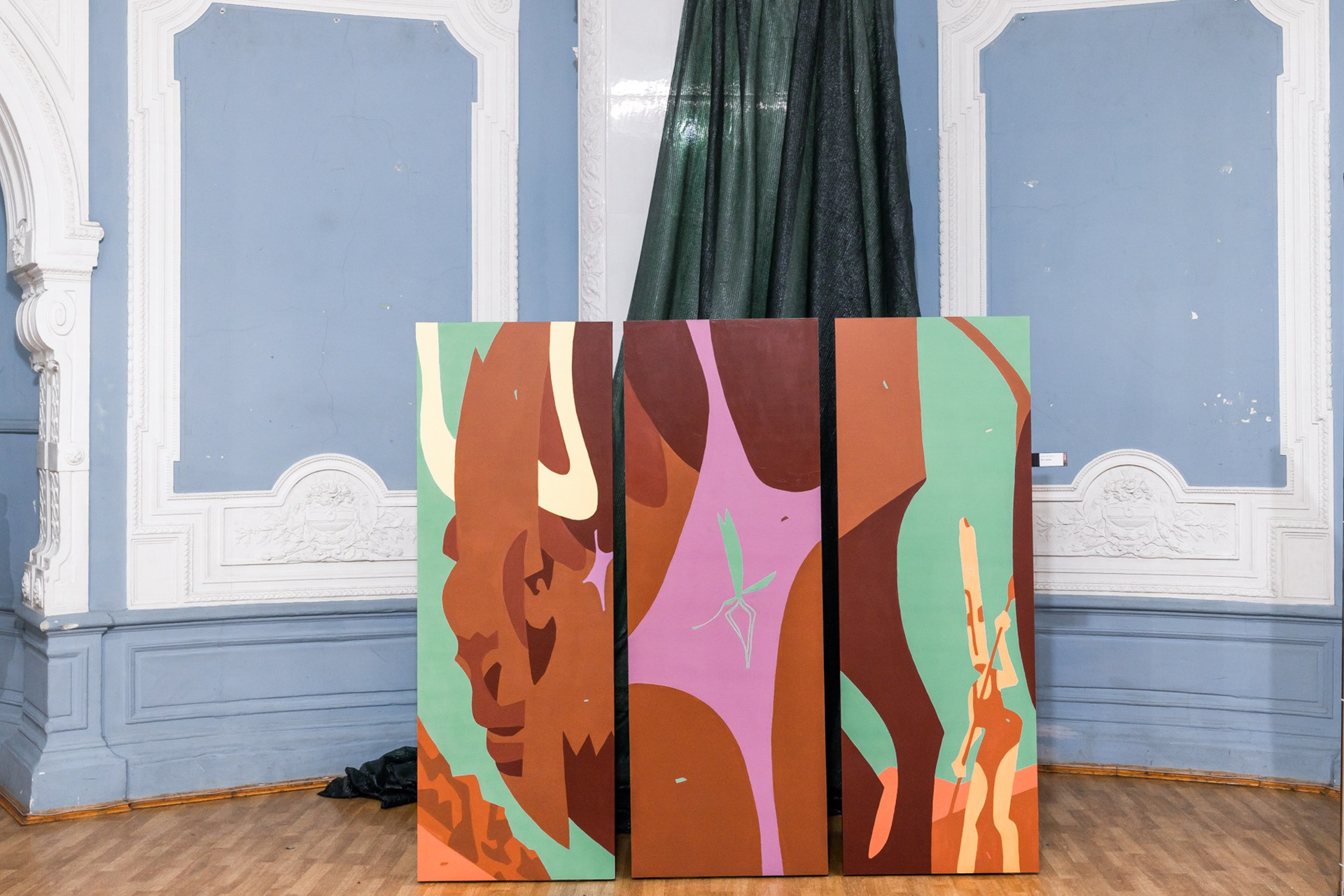
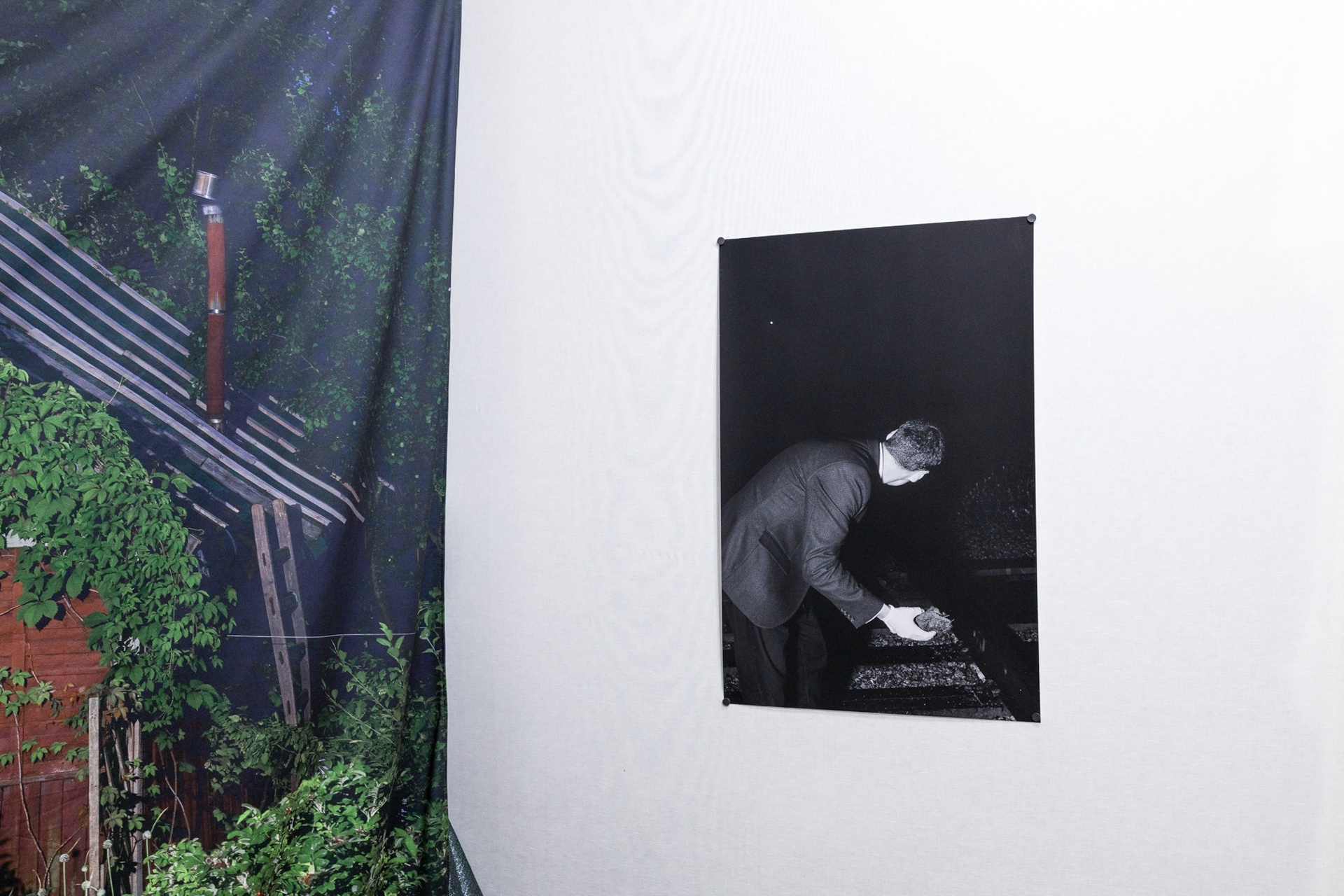
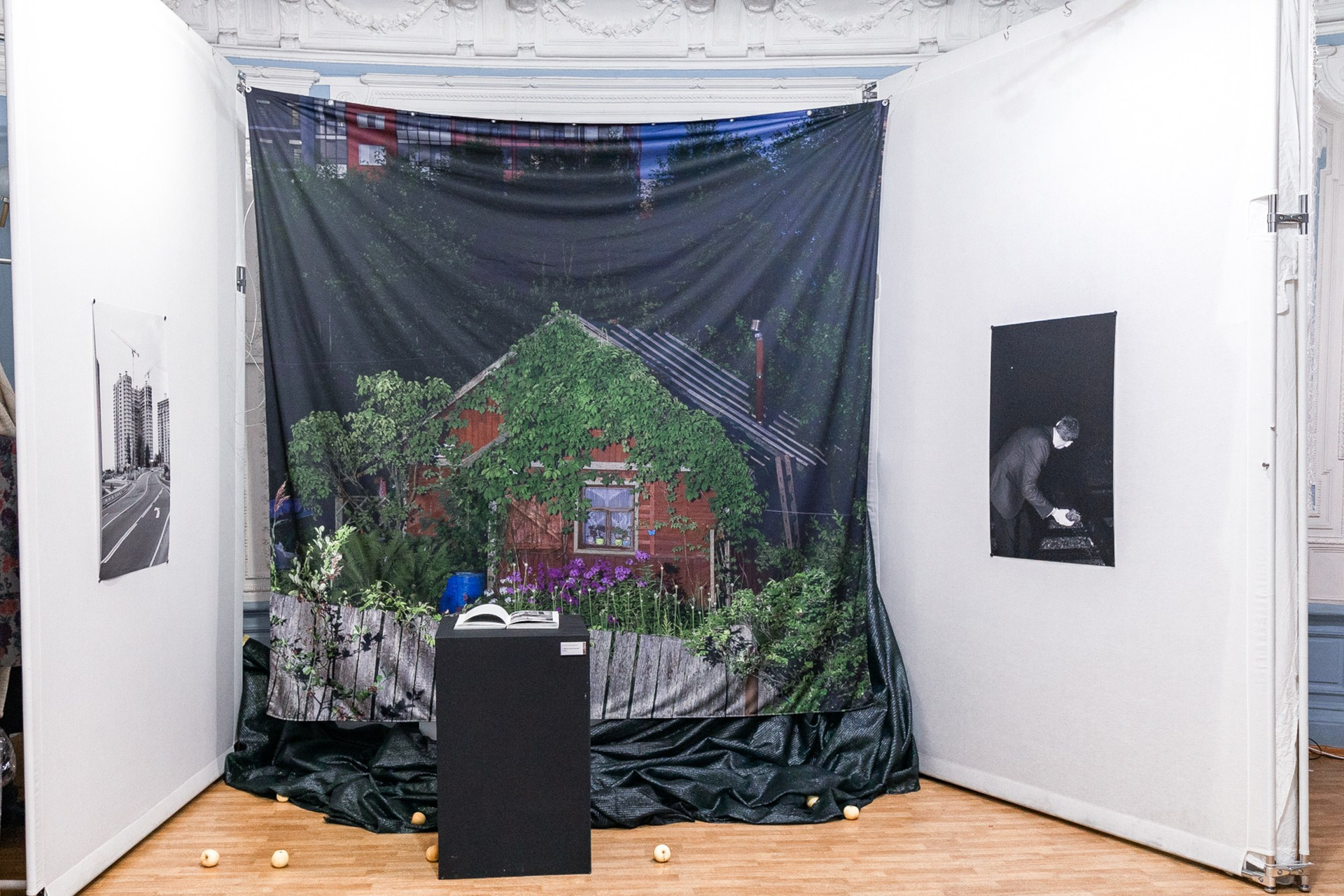
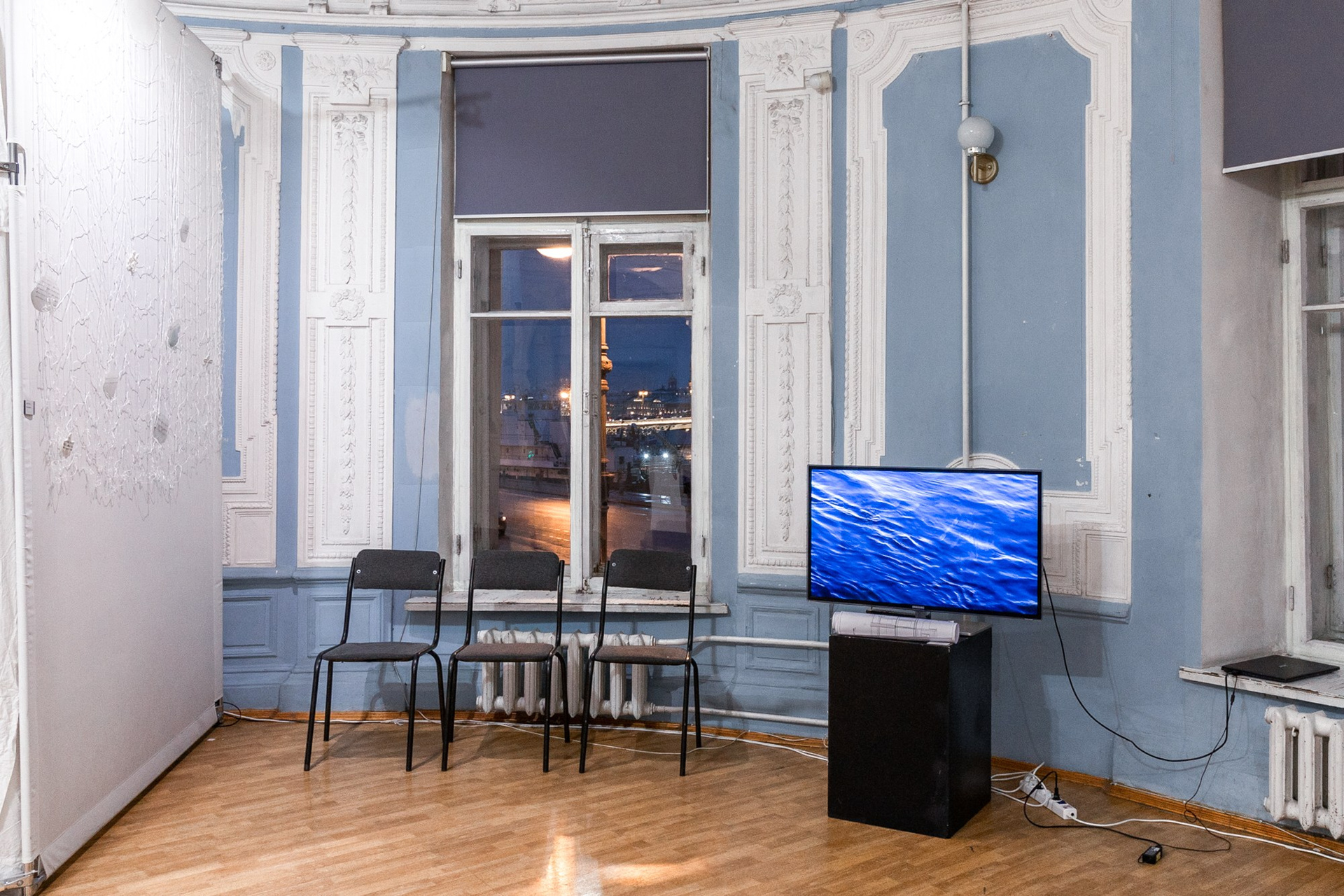
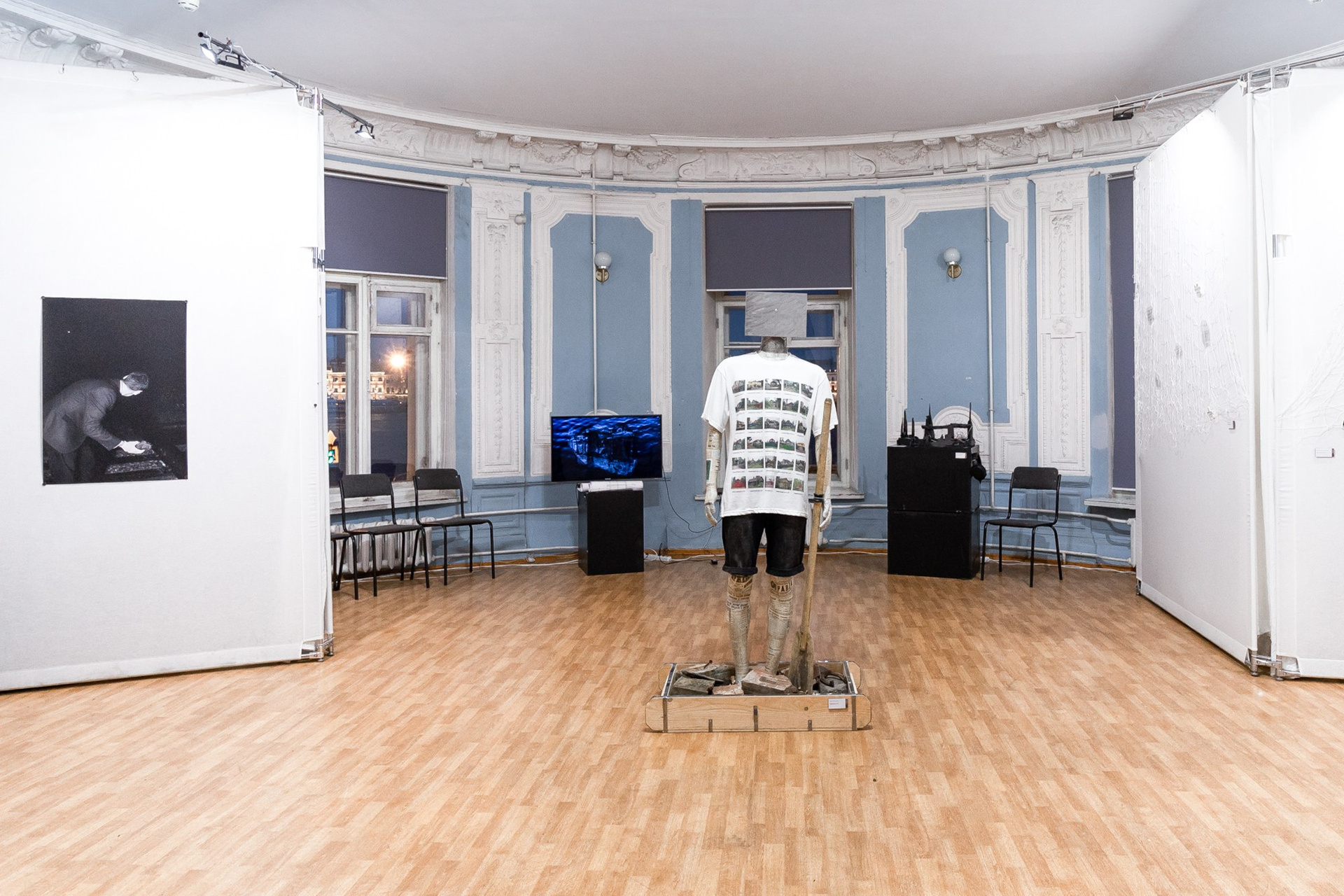
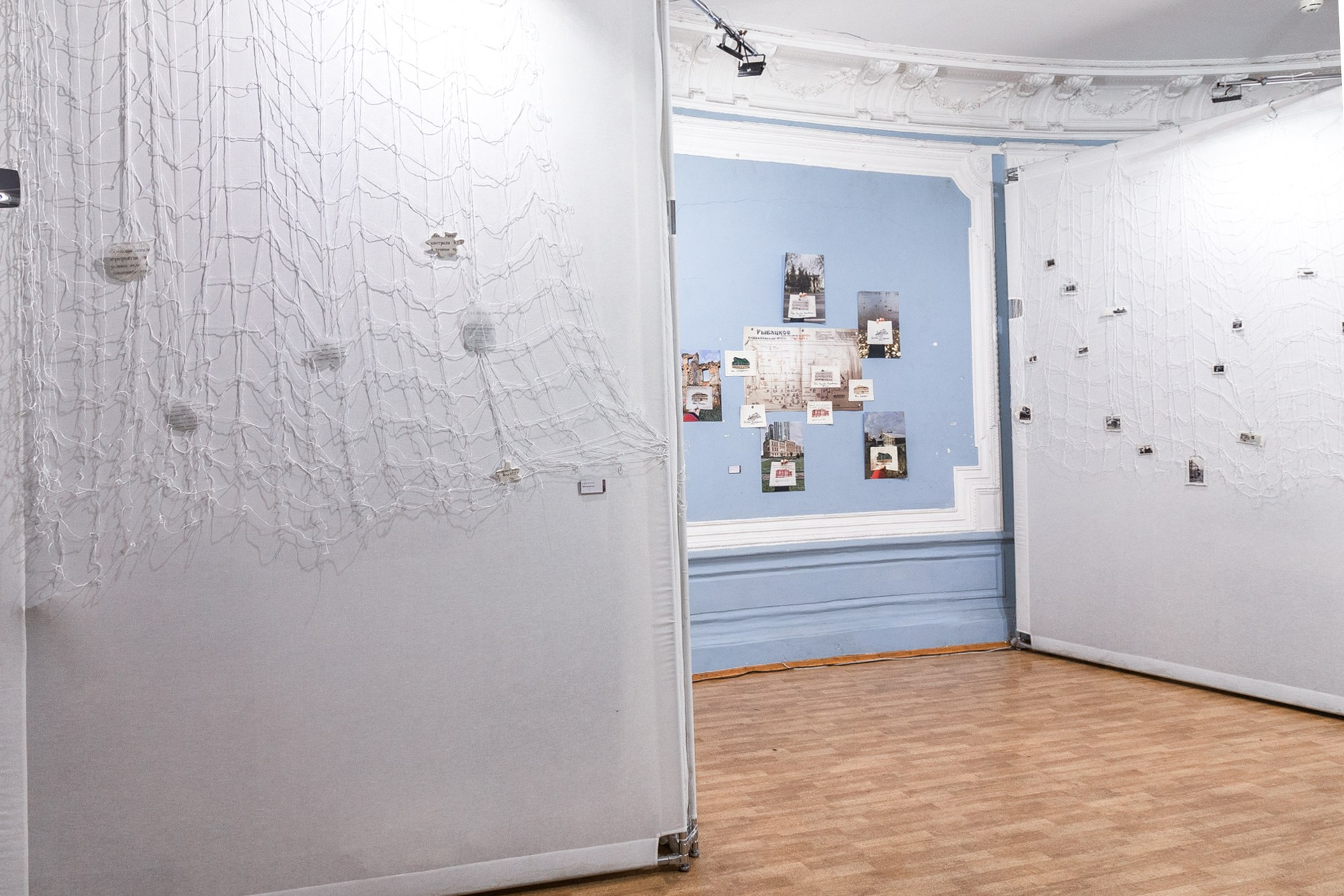
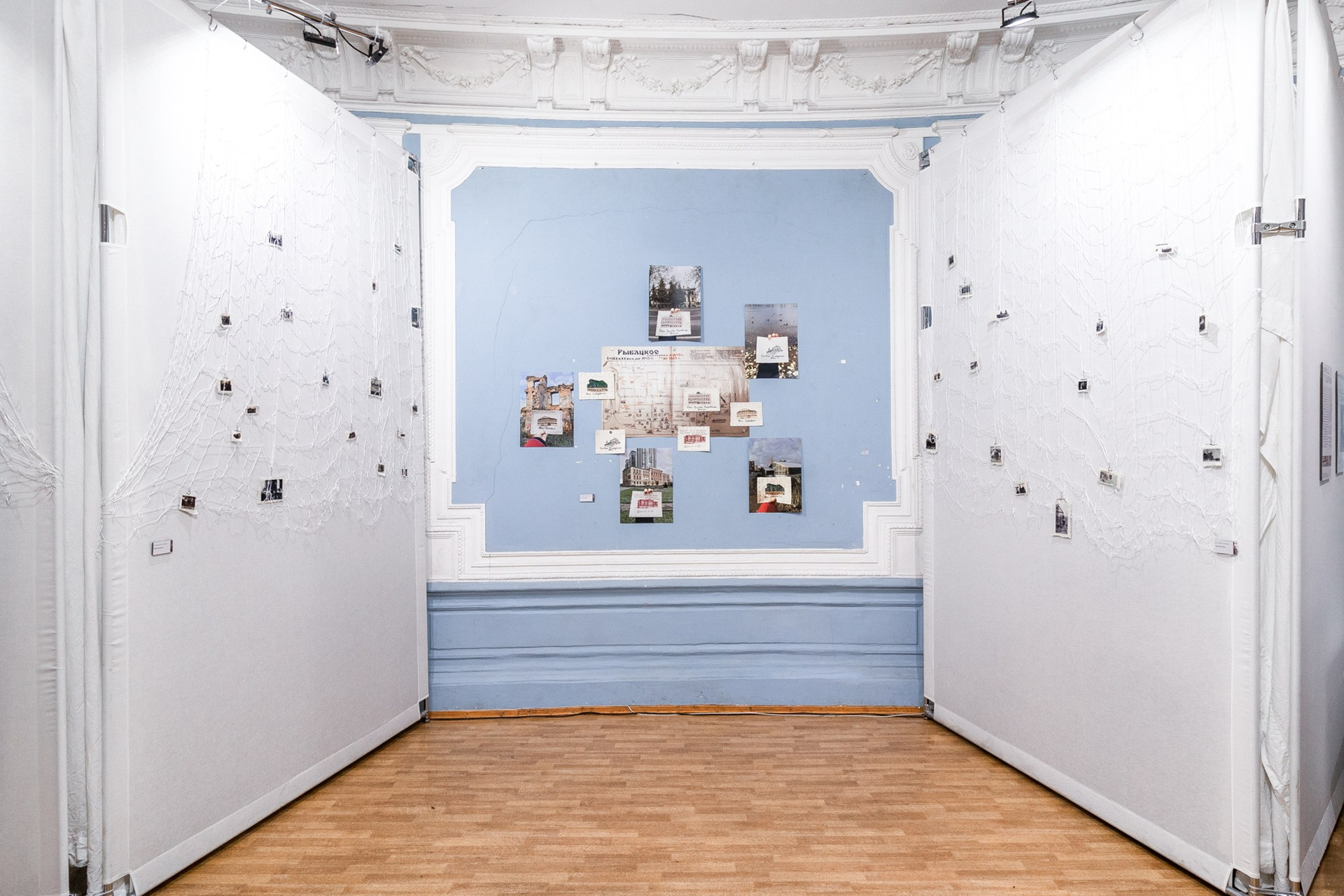
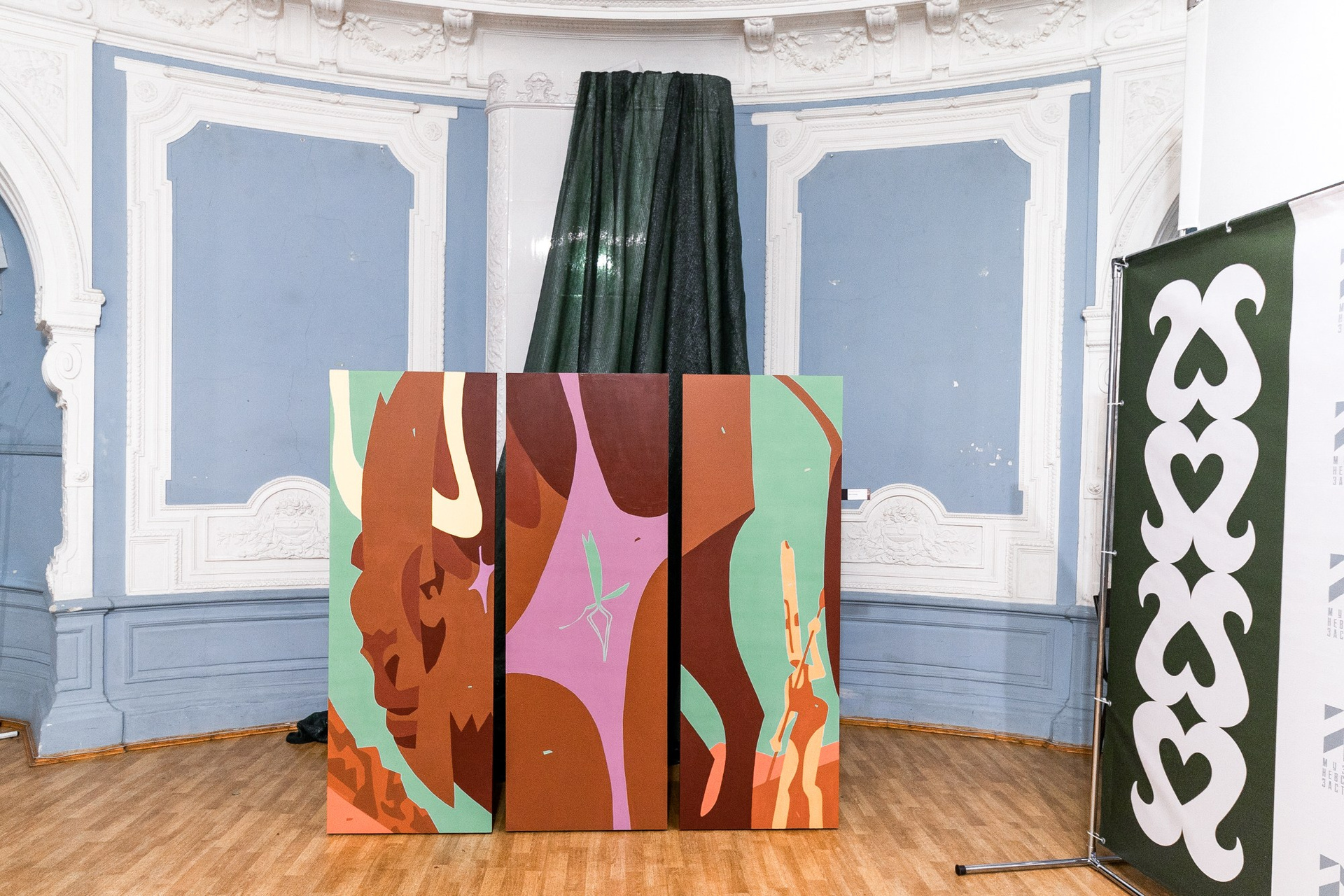
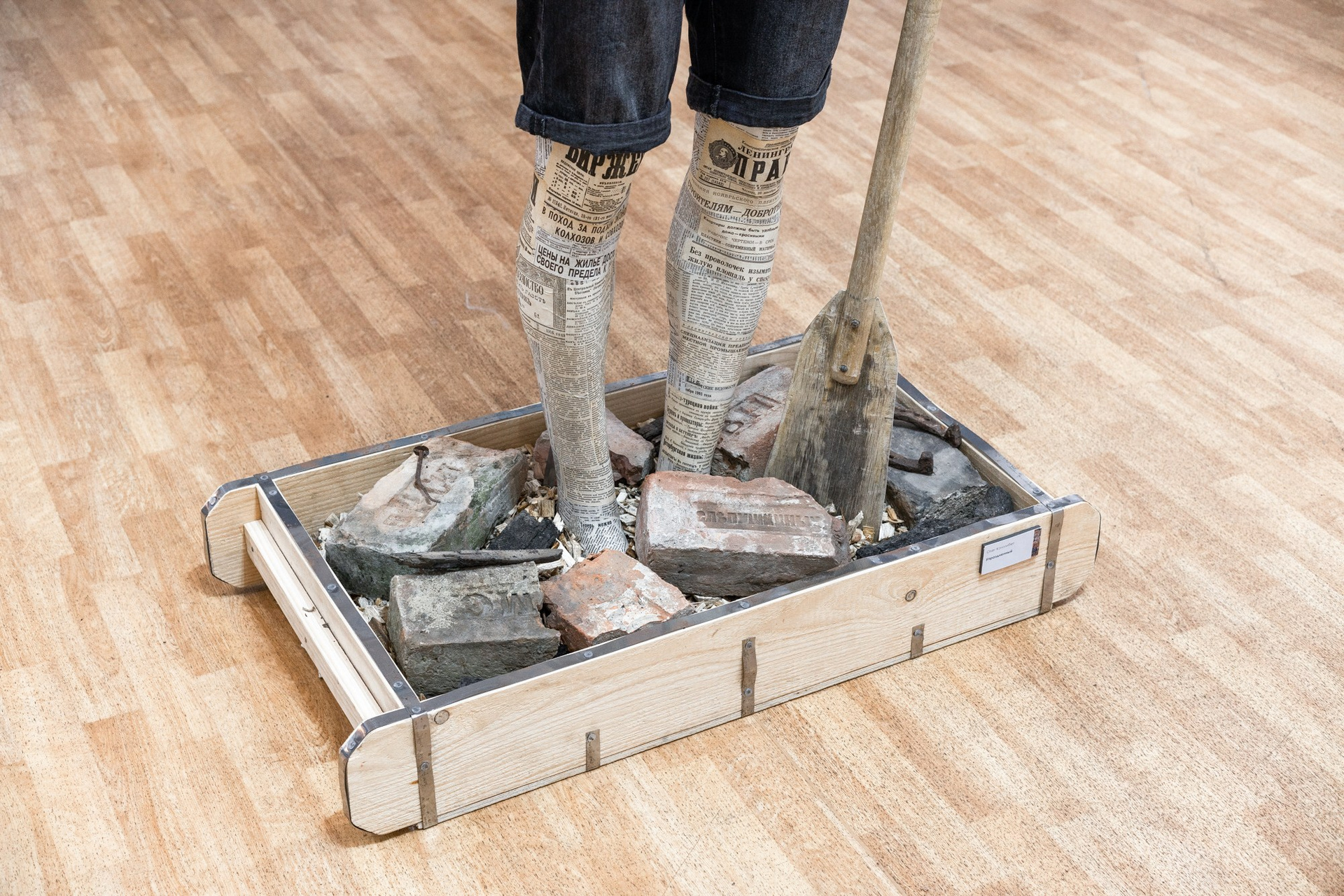
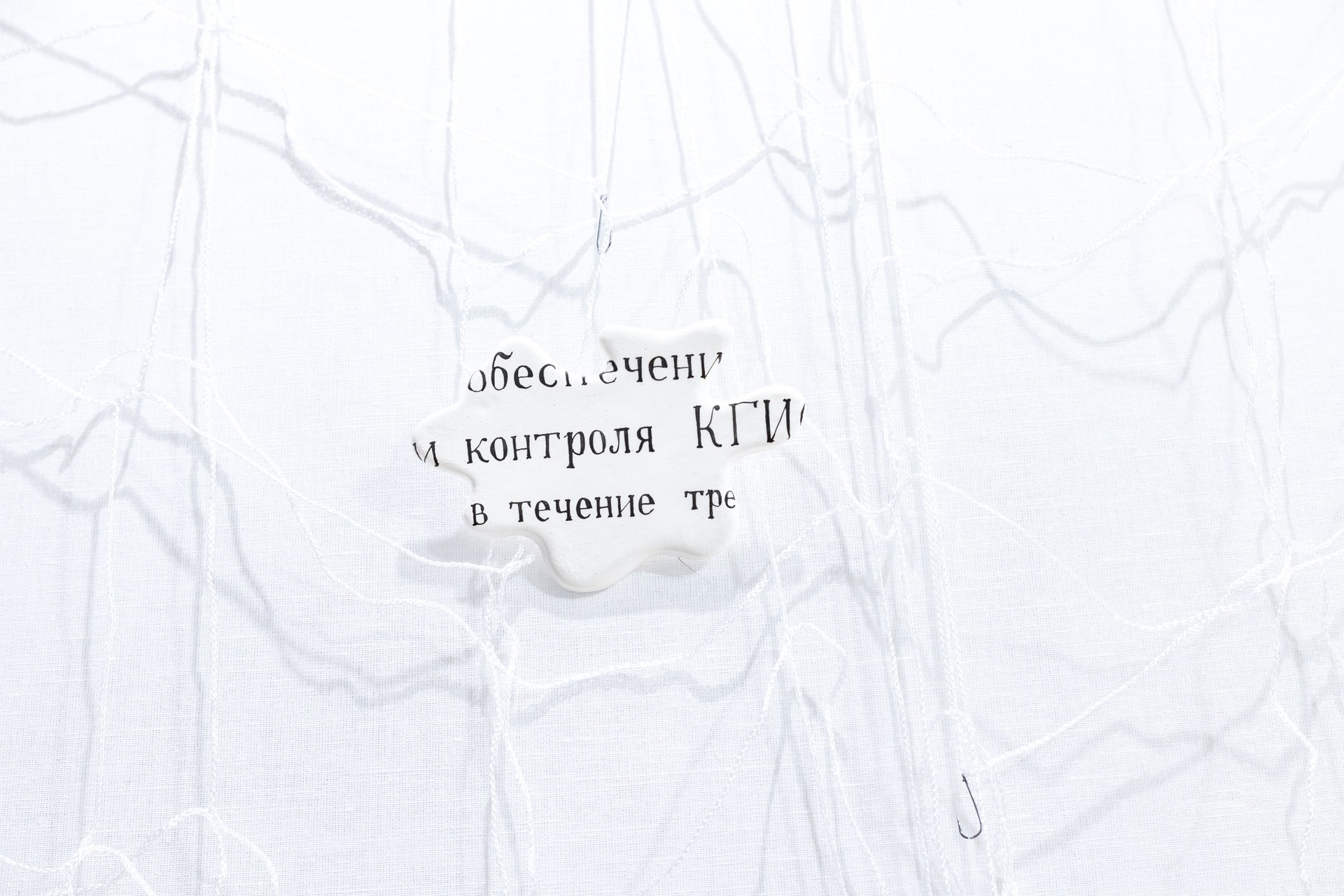
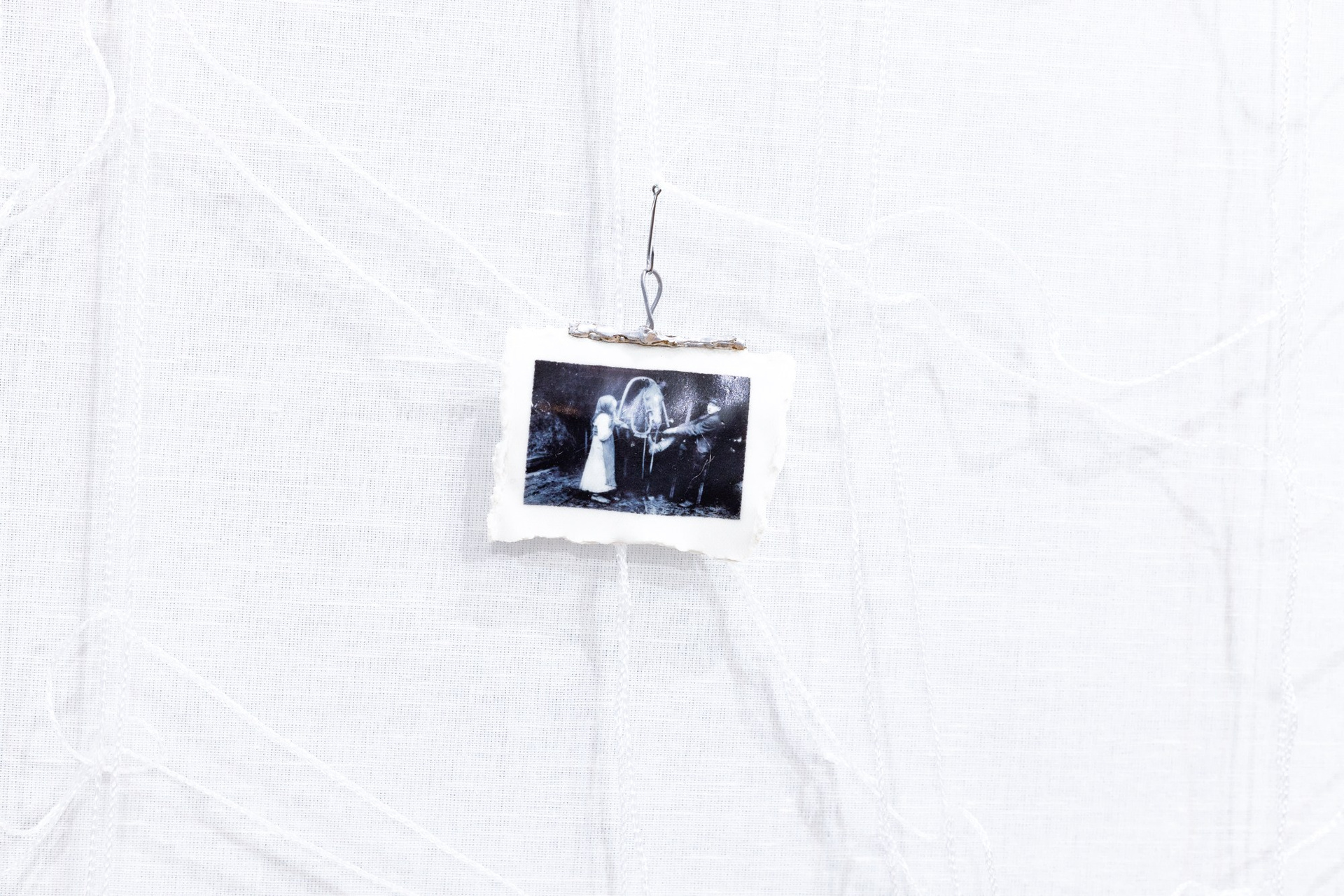
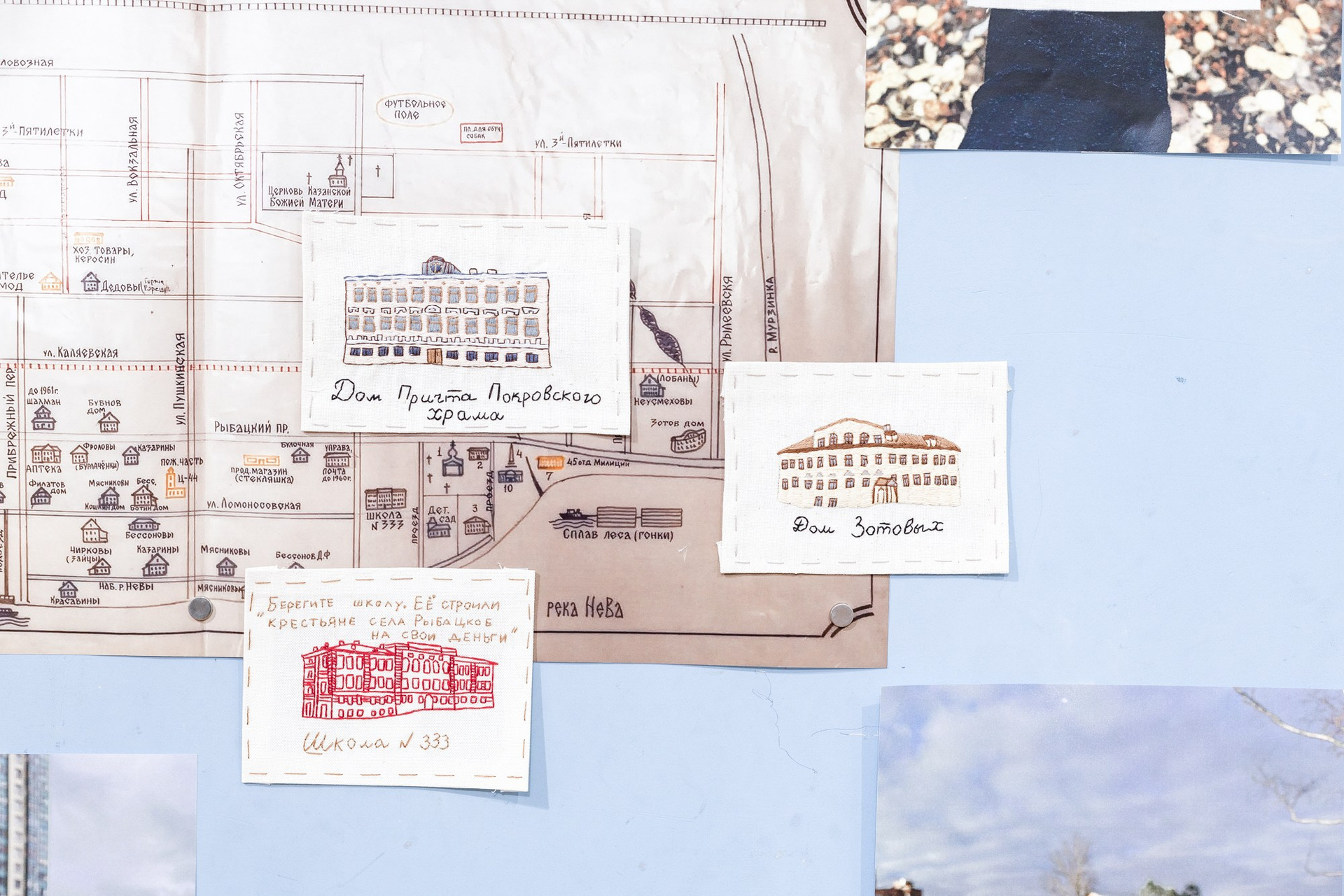
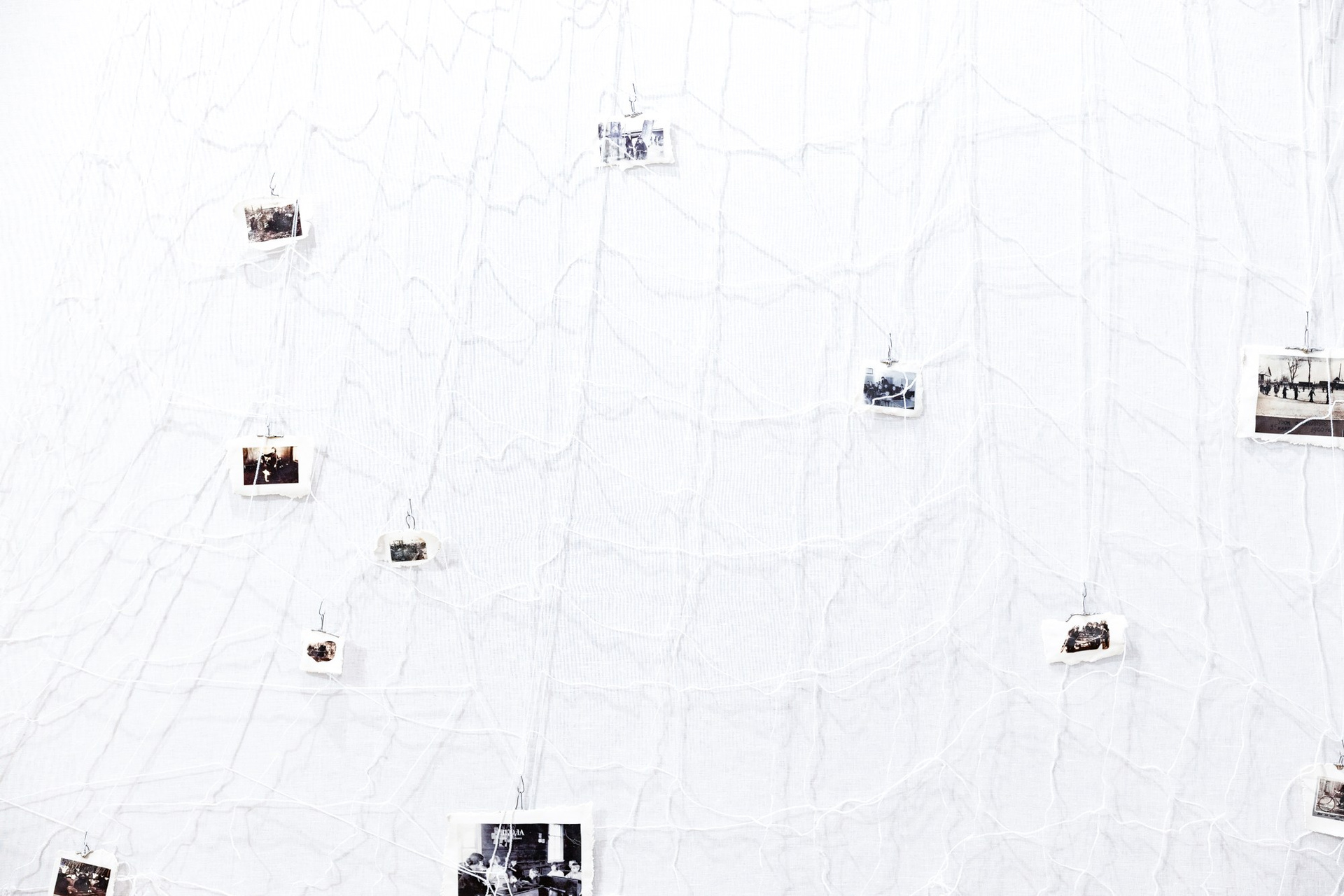
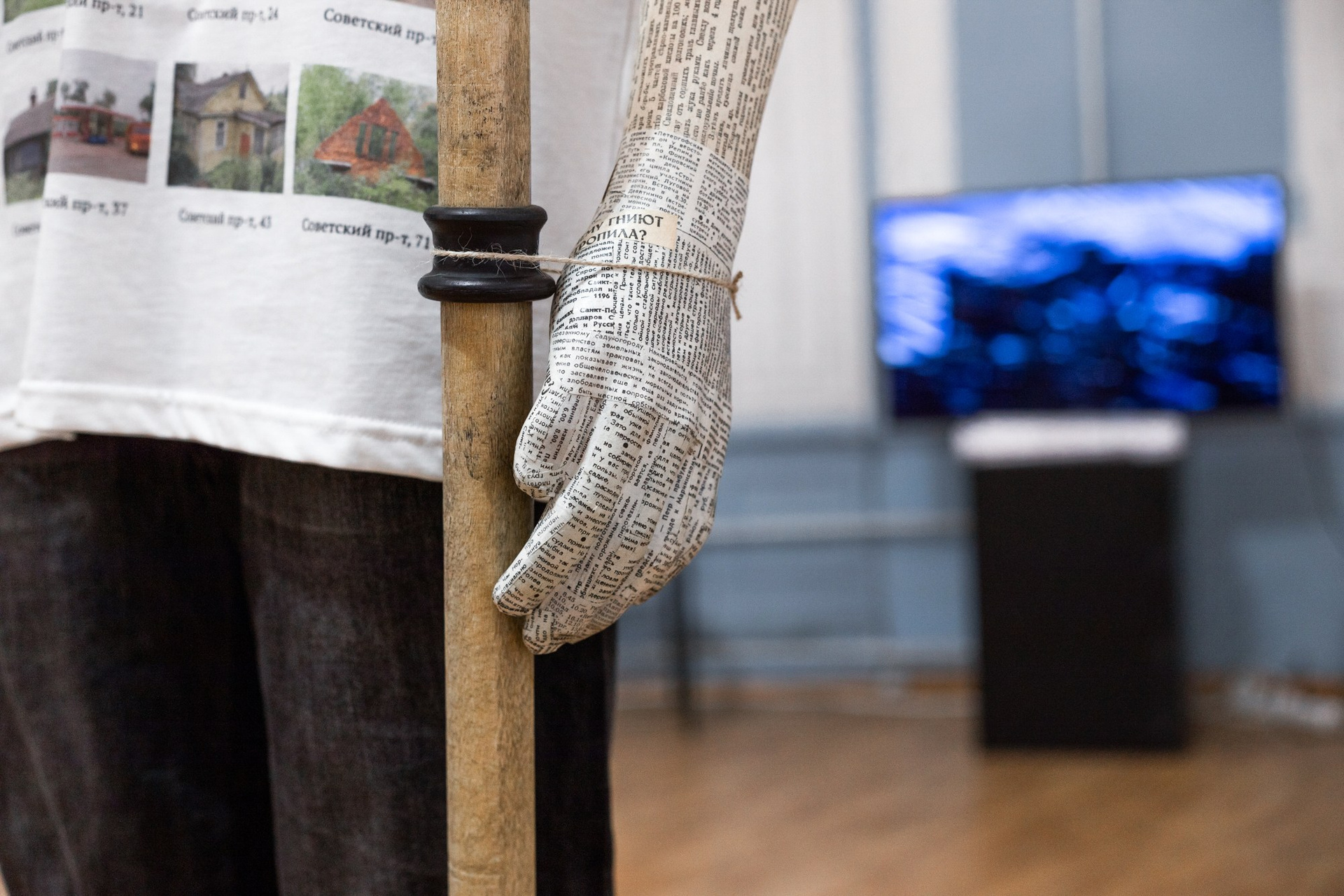
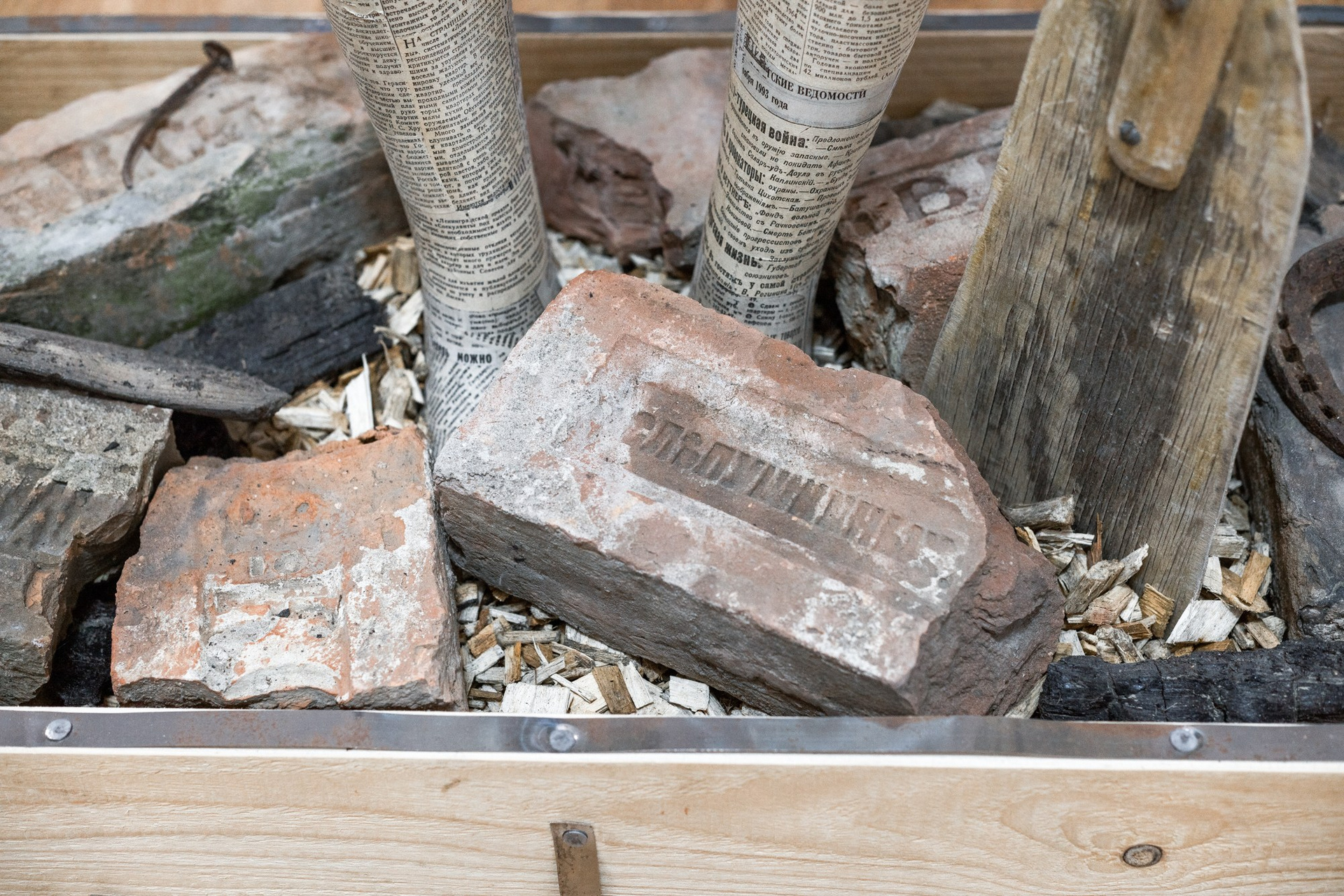
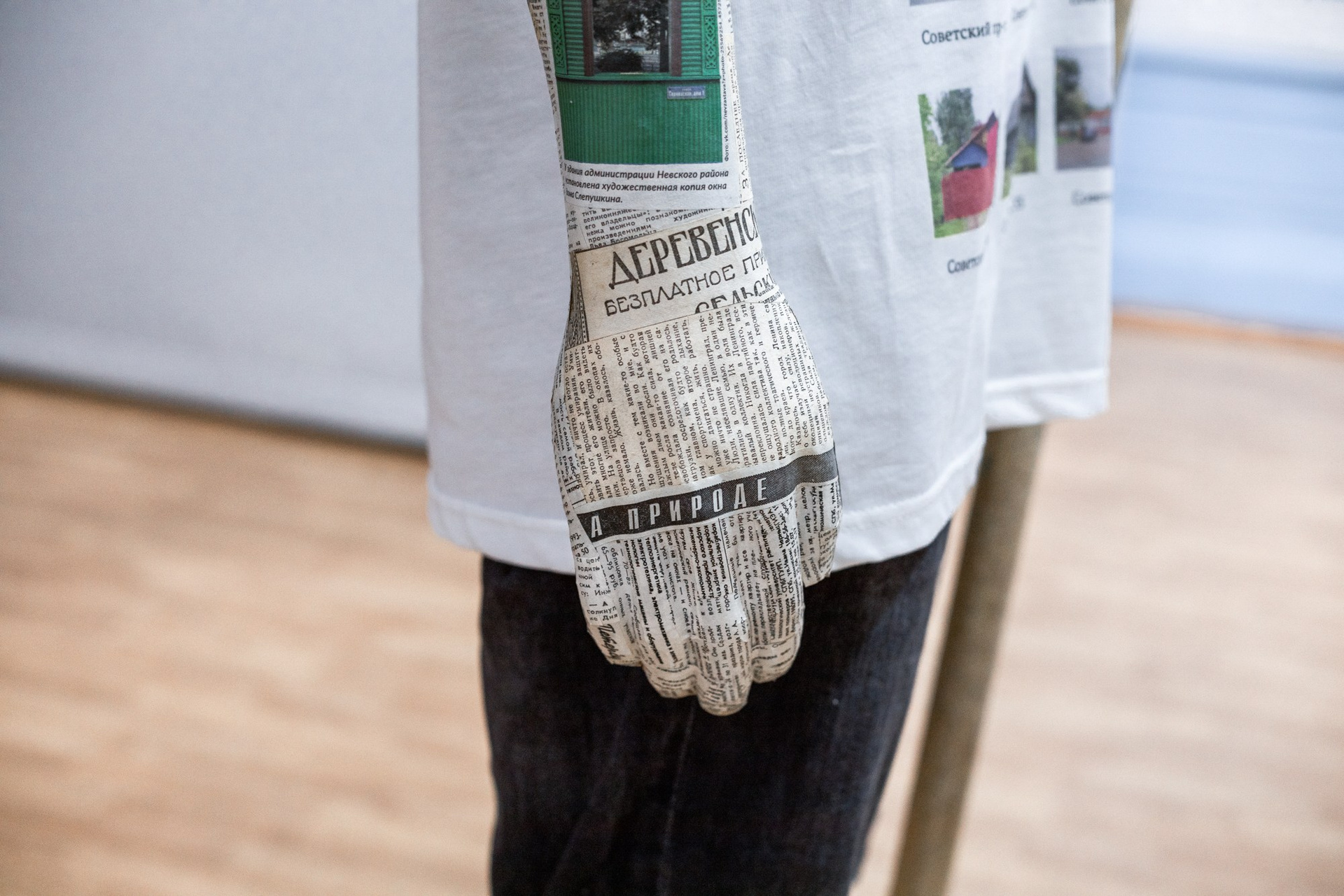
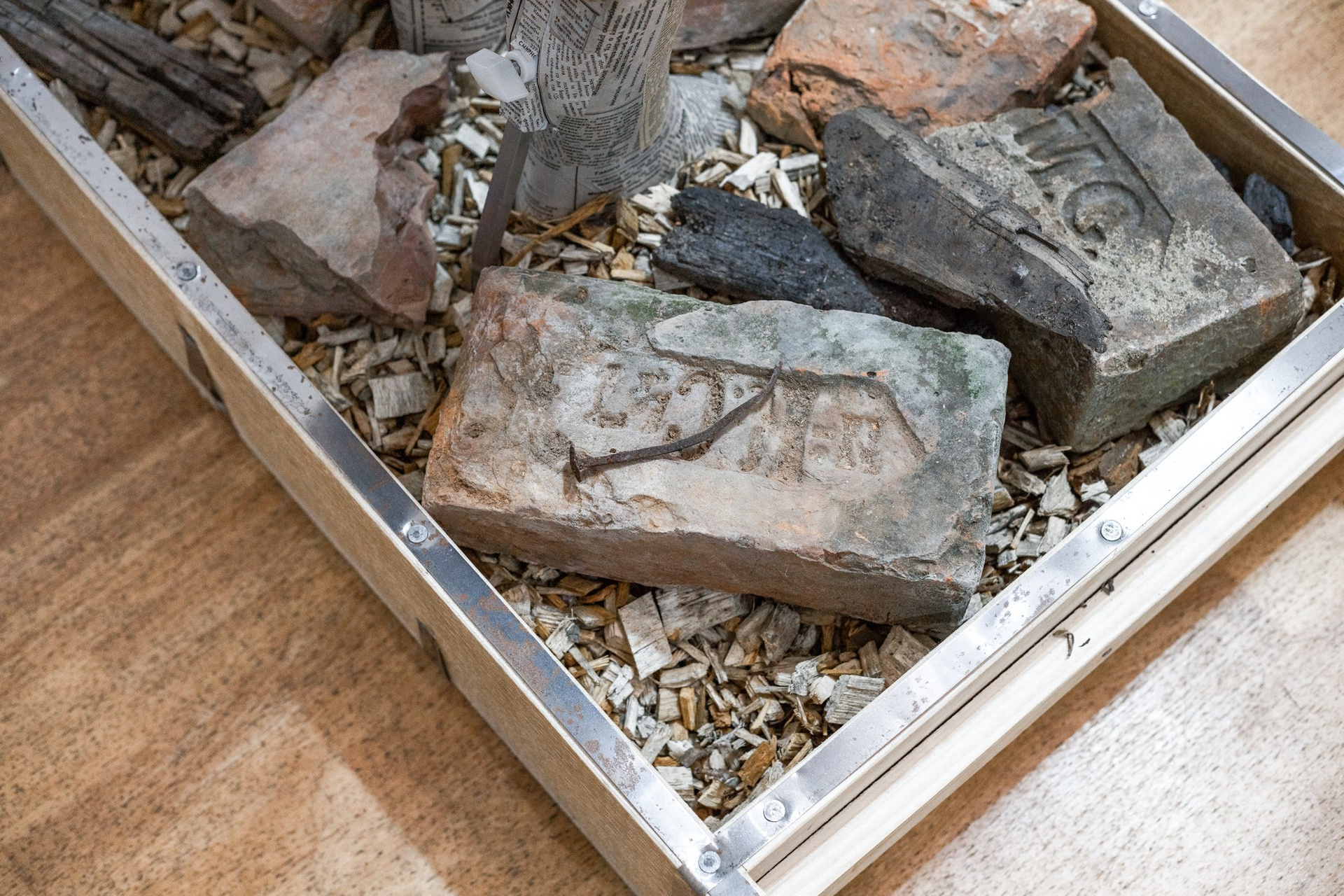
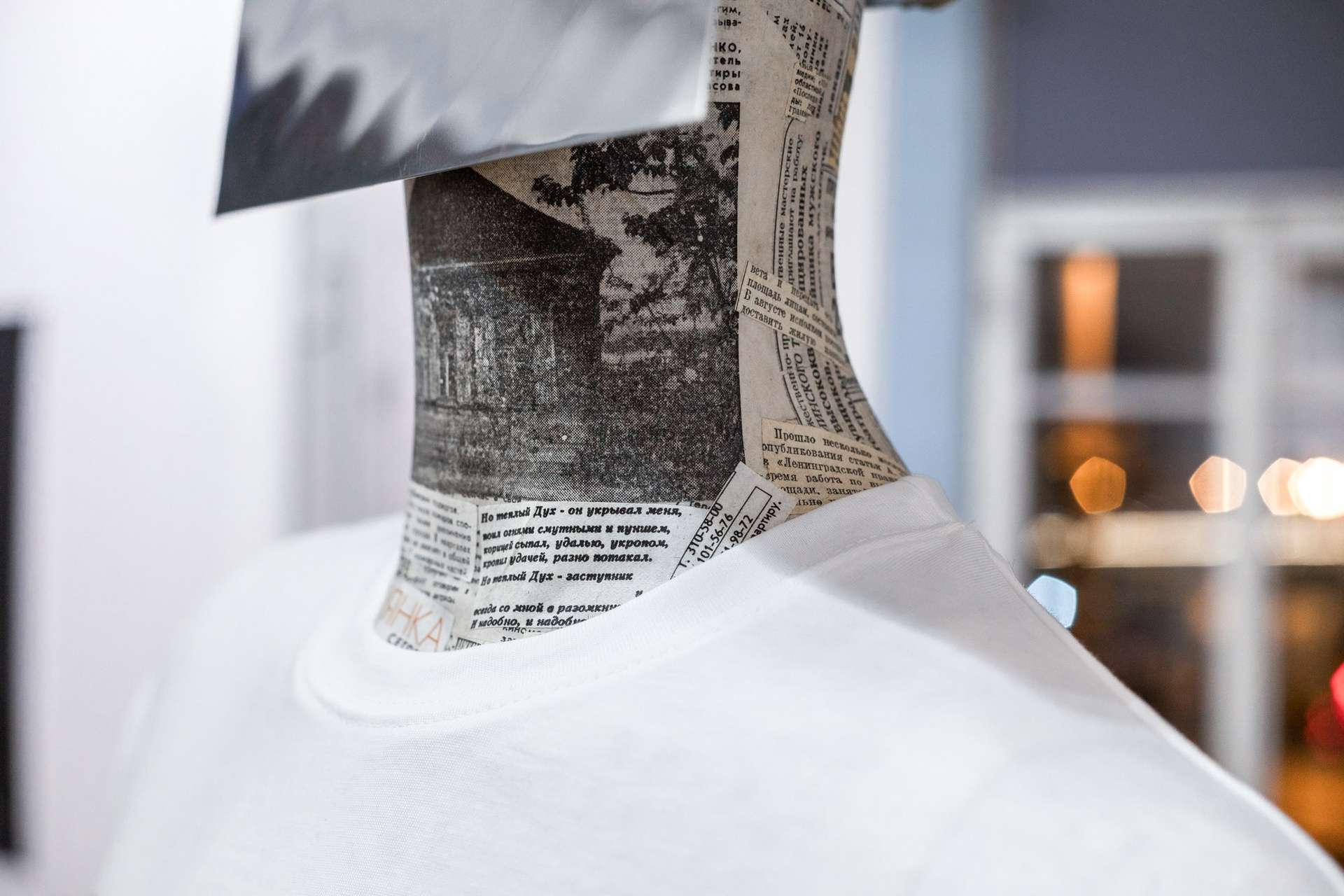
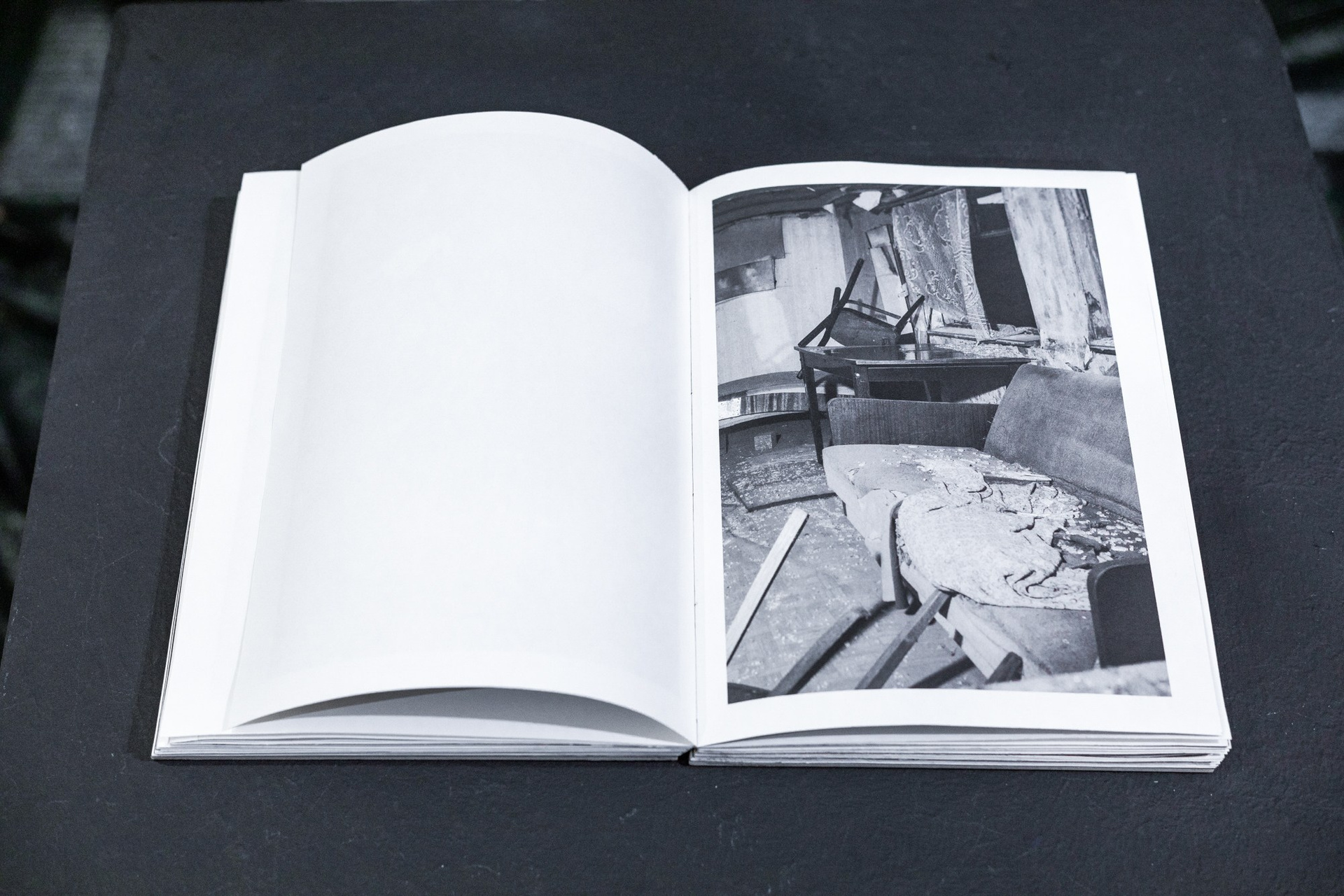
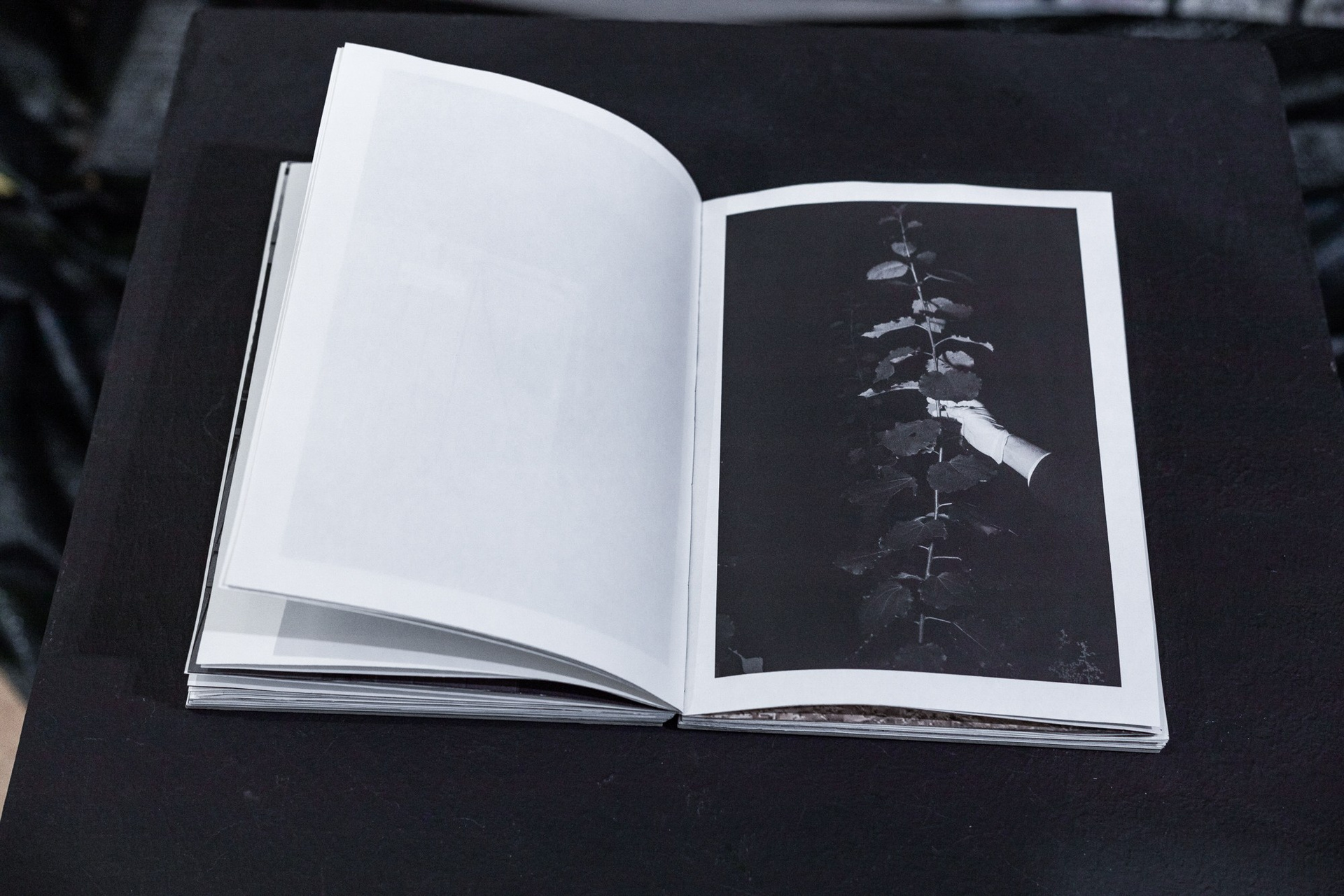
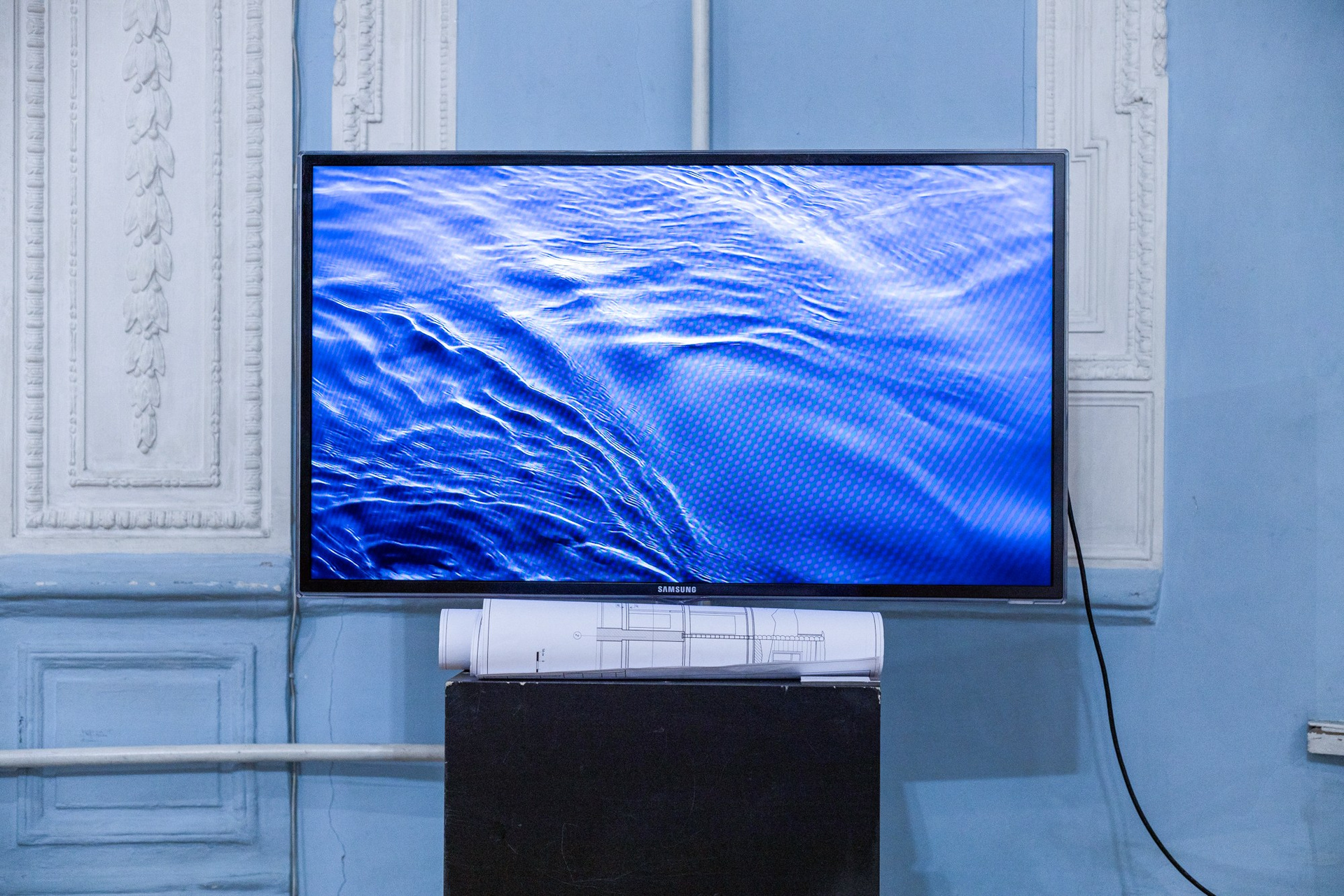
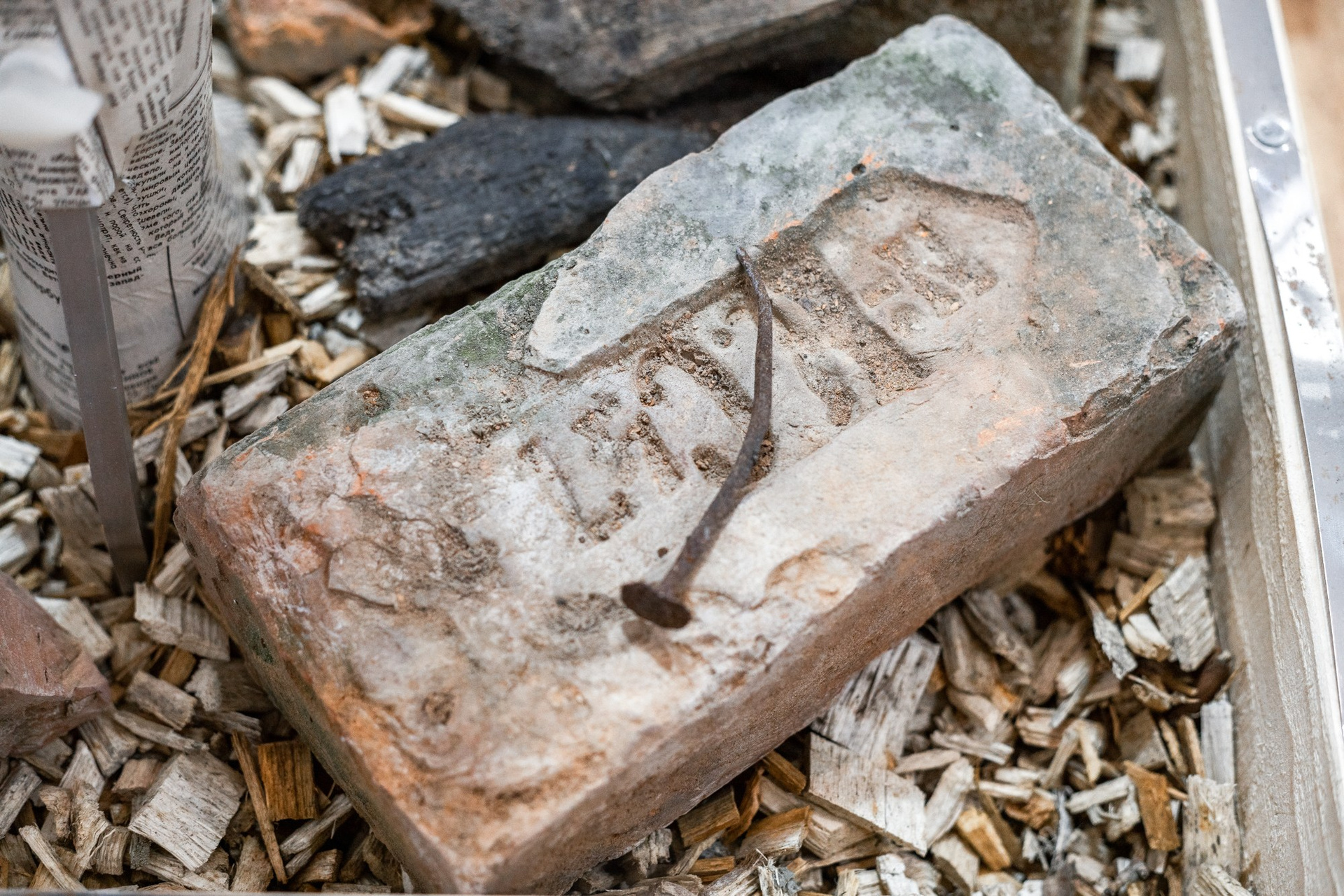
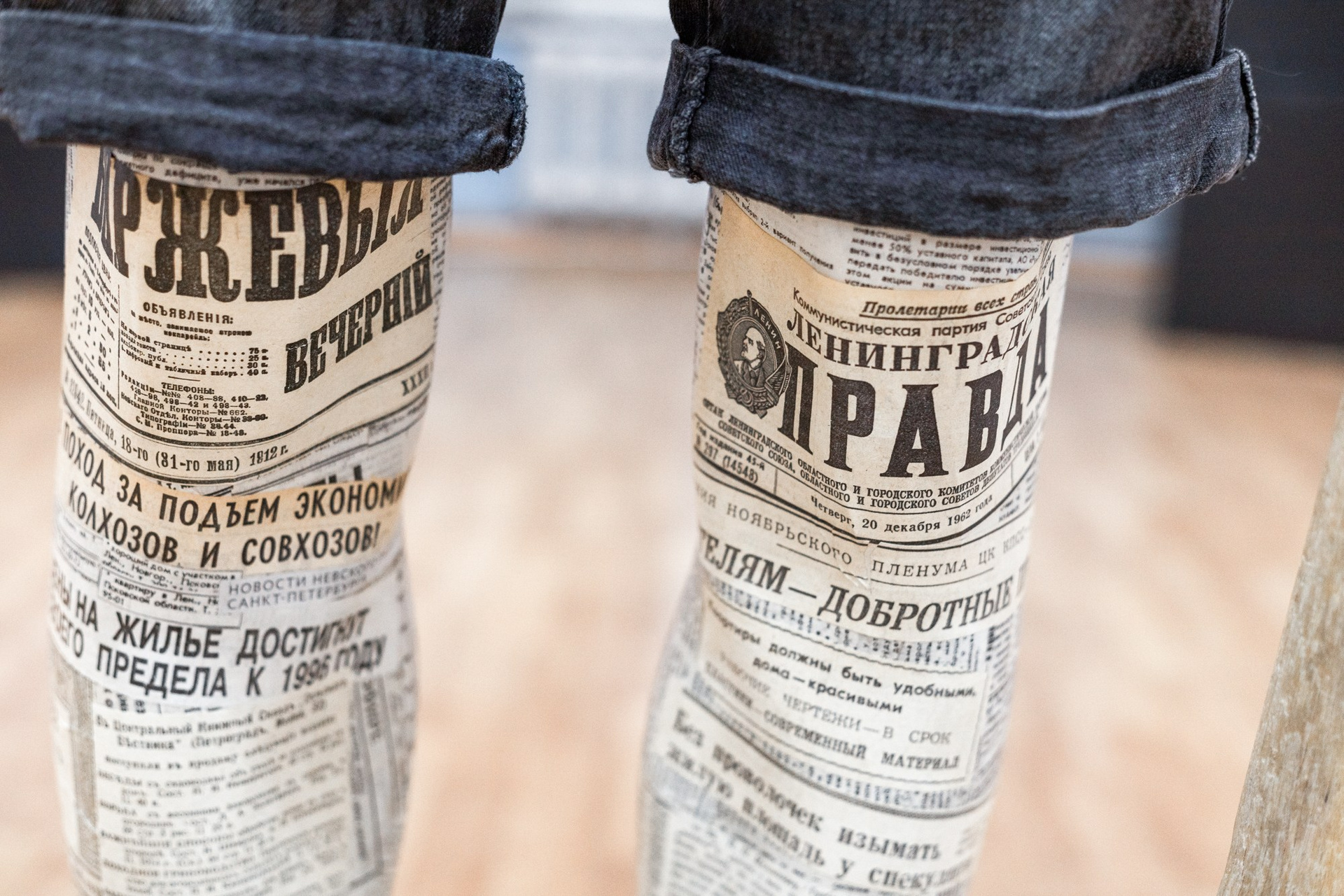
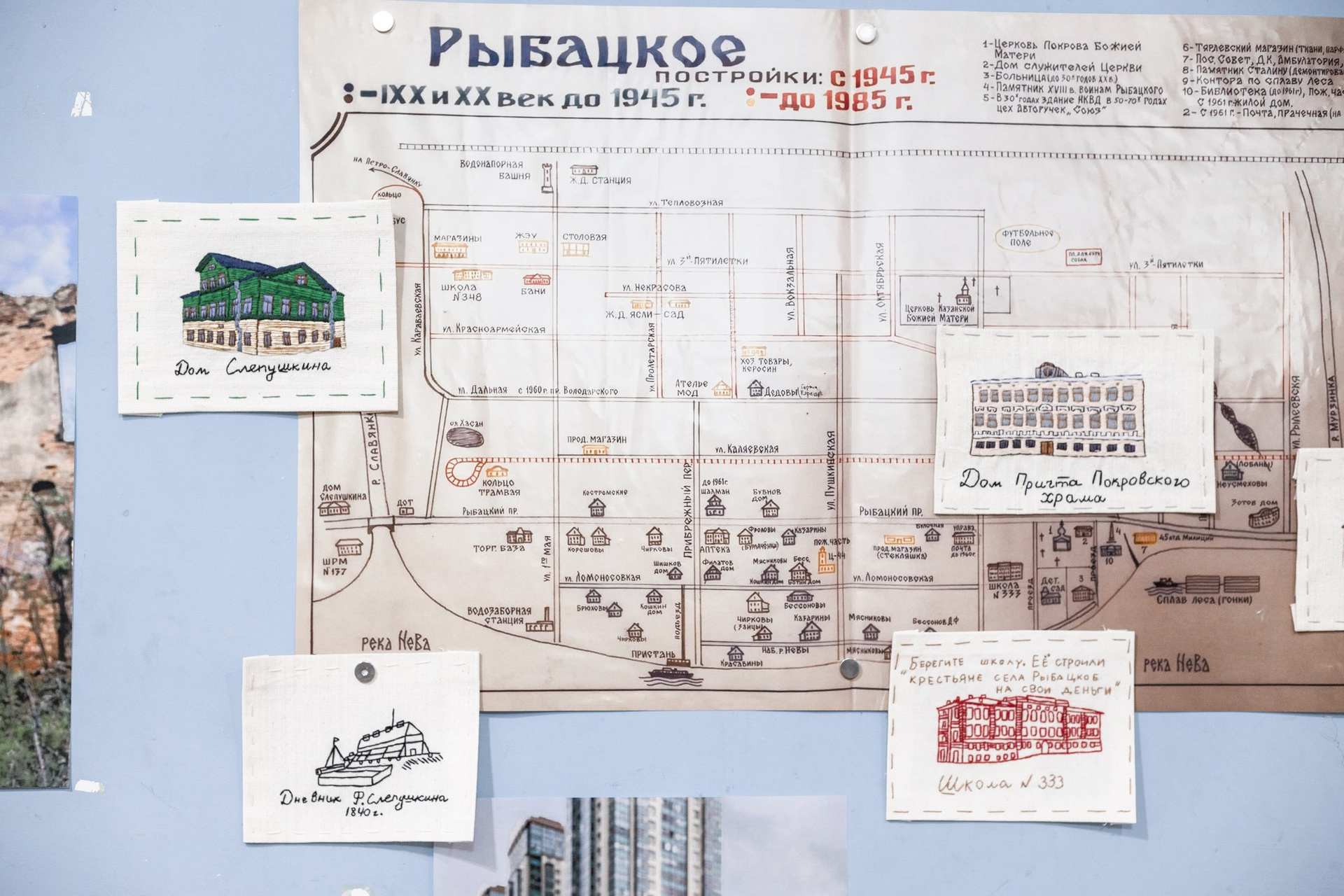
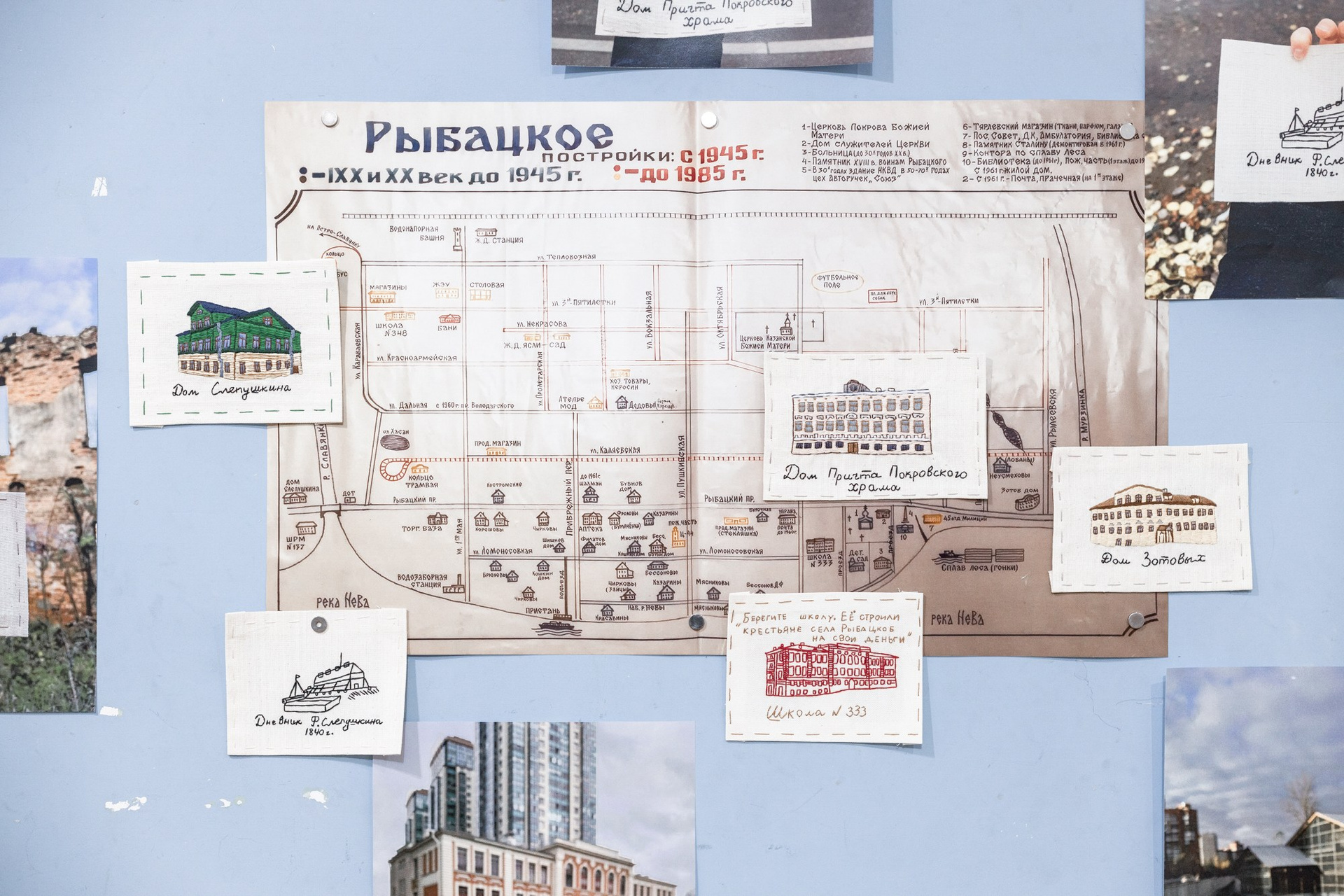
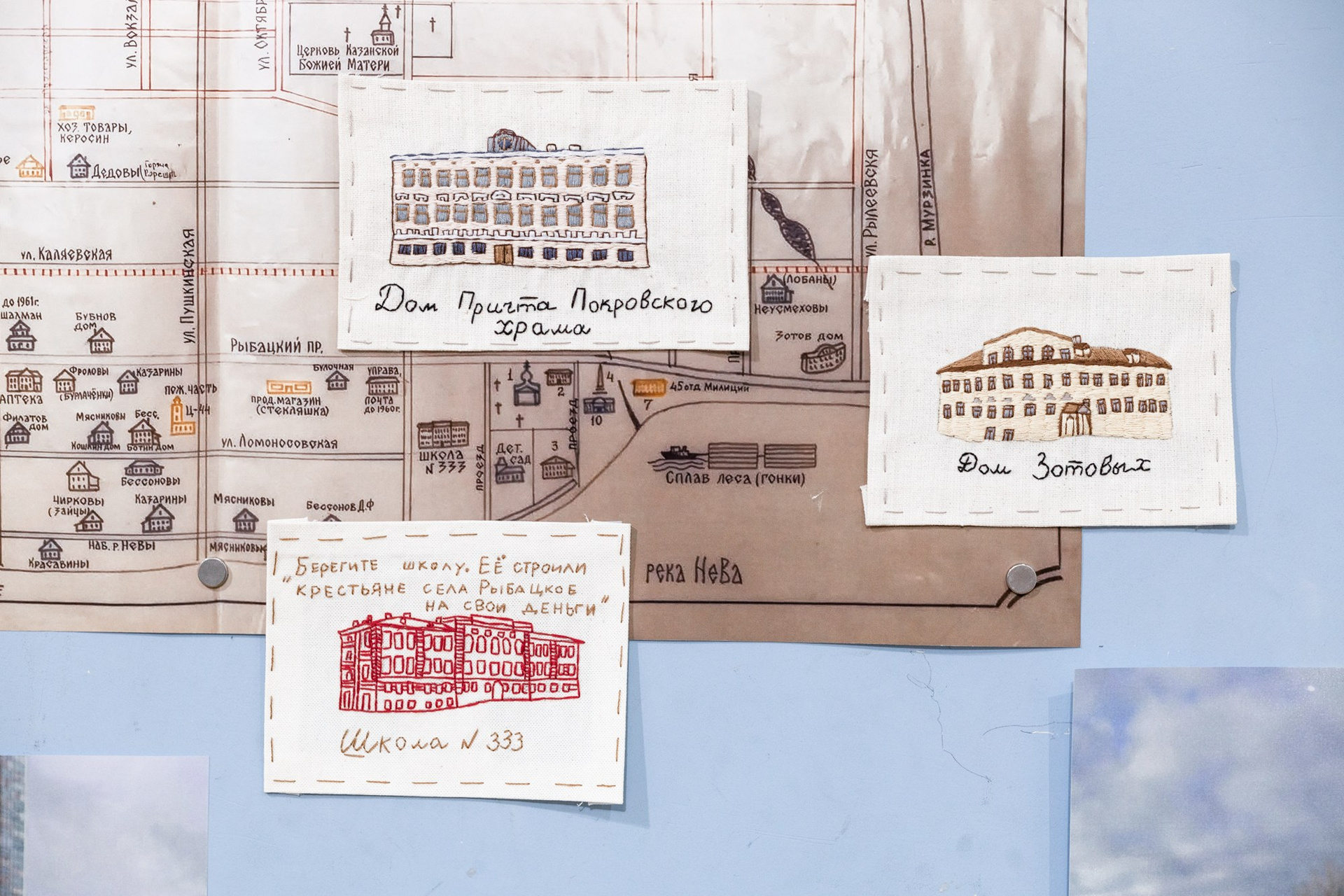
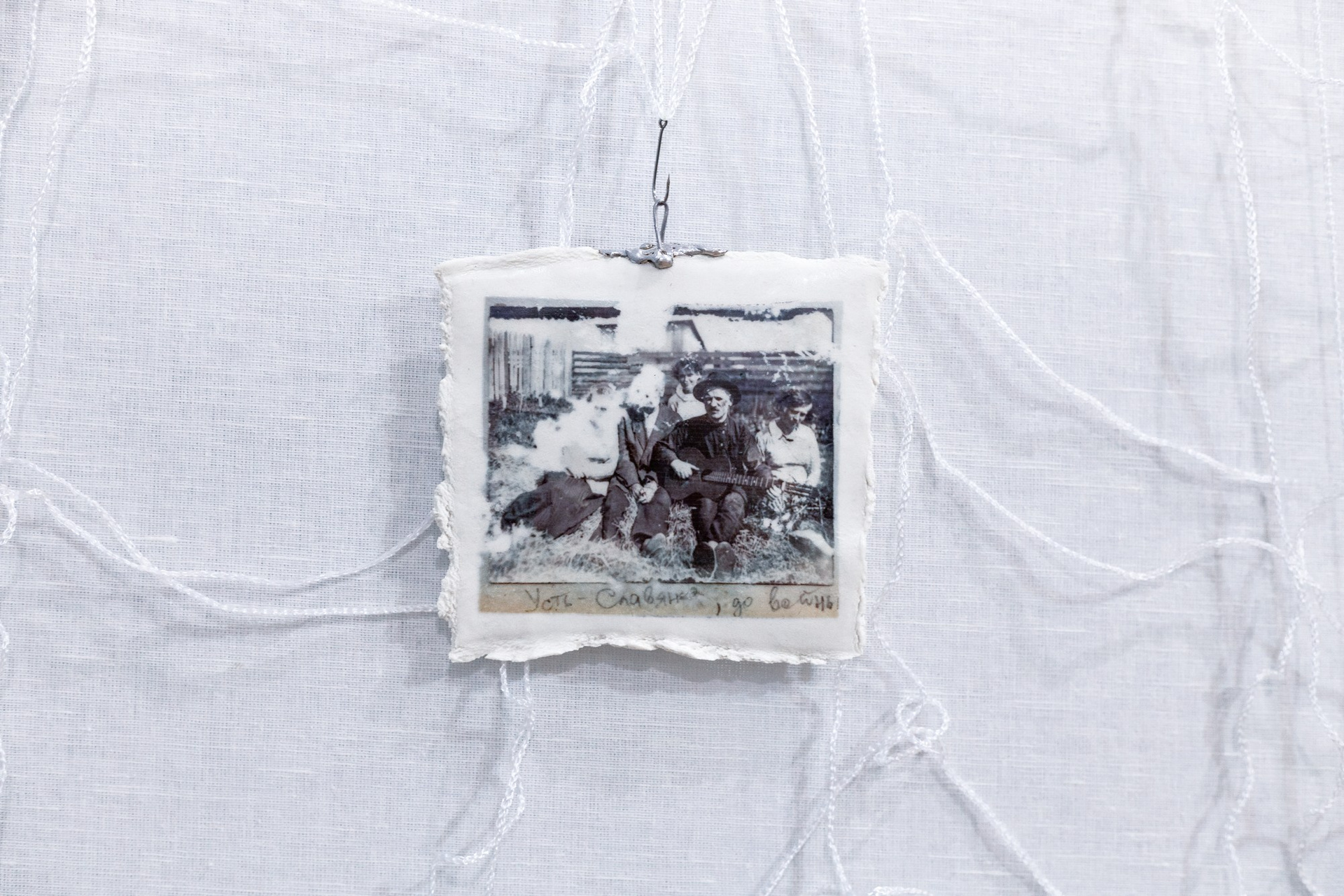
As a result of this research, the participants produced works in a wide range of media, including traditional forms such as ceramics, embroidery, and painting; research-based formats such as artist’s books and zines; and process-oriented practices including sound art, video documentation, and installation.
Within this collective inquiry, memory was approached not as a static archive but as a process—fluid, fragile, and often contradictory. This understanding became the foundation of the artistic practices developed throughout the laboratory.
The choice of venue is significant: the majority of the laboratory participants are graduates of St. Petersburg State University. In this way, the project embodies the strong connection between the educational and artistic environments of the contemporary city.
The exhibition not only presents the artistic outcomes of the laboratory but also contributes to the development of the local cultural and research context, encouraging public engagement with questions of heritage, memory, and the future of historical sites.
Participants: Alexey Barkhan, Anastasia Ivanenkova, Daria Iukkanen, Oleg Kolimbet, Anna Kulminskaya, Artemy Mikhailov, Kristina Sergeeva, and Ekaterina Shmeleva.
Artistic Research Laboratory
Author: Yulia Pavlova
In June 2025, the Nevskaya Zastava Museum invited artist and curator Yulia Pavlova to lead an artistic research laboratory. Nine artists took part in the project, conducting research and developing artistic responses dedicated to the house of Fyodor Nikiforovich Slepushkin and the area of Ust-Slavyanka.
The research encompassed a wide range of subjects—from local history and cultural identity to anthropological perspectives. Over the course of three months, participants worked with documents, archival materials, and oral histories collected from local residents, while also exploring the area through walking-based field research. These investigations formed the basis for artistic reflections on place, time, and memory.
Particular attention was given to the ways historical layers of the past continue to exist within the present, transforming over time and shaping the contemporary urban landscape.
The laboratory began with a guided tour led by Natalia Titorenko, Deputy Director of the Nevskaya Zastava Museum. She introduced participants to the history of the merchant Slepushkin’s house and discussed its ongoing restoration. An important part of the research process was a three-hour walk through Ust-Slavyanka with local resident Maryana, which allowed participants to immerse themselves in the social and historical context of the area. The fieldwork concluded with visits to the local library and extensive work with regional archives.
As part of the laboratory, Yulia Pavlova also delivered a series of lectures focusing on artistic research methodologies, process-based practices in contemporary art, and approaches to working with archival materials.
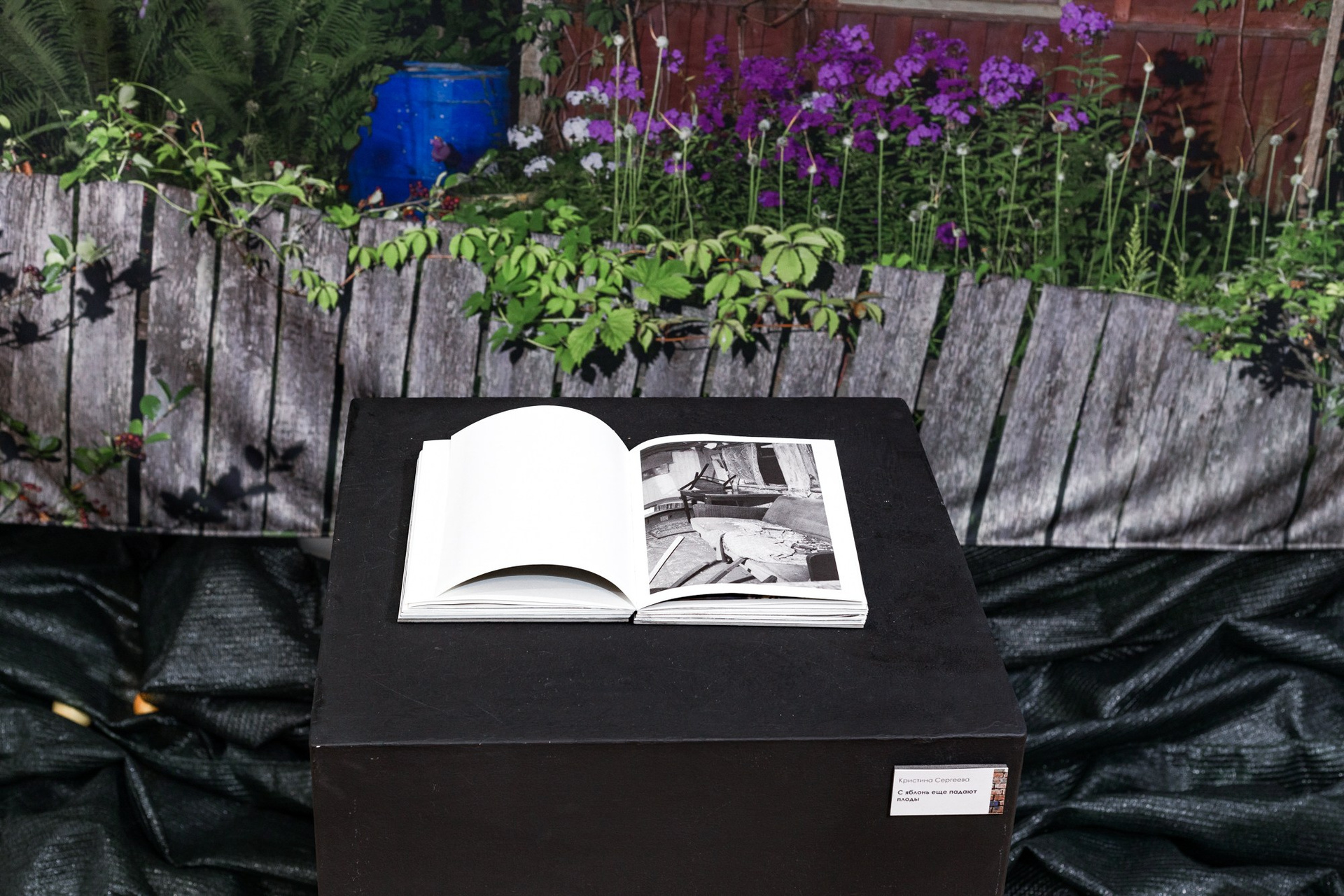
The laboratory resulted in artworks across a wide range of media—from traditional forms such as ceramics, embroidery, and painting to process-oriented practices including sound art, video documentation, and site-specific installations. Several participants chose to work with the format of the artist’s book, treating it not merely as an artifact but as a method of constructing and communicating a narrative.