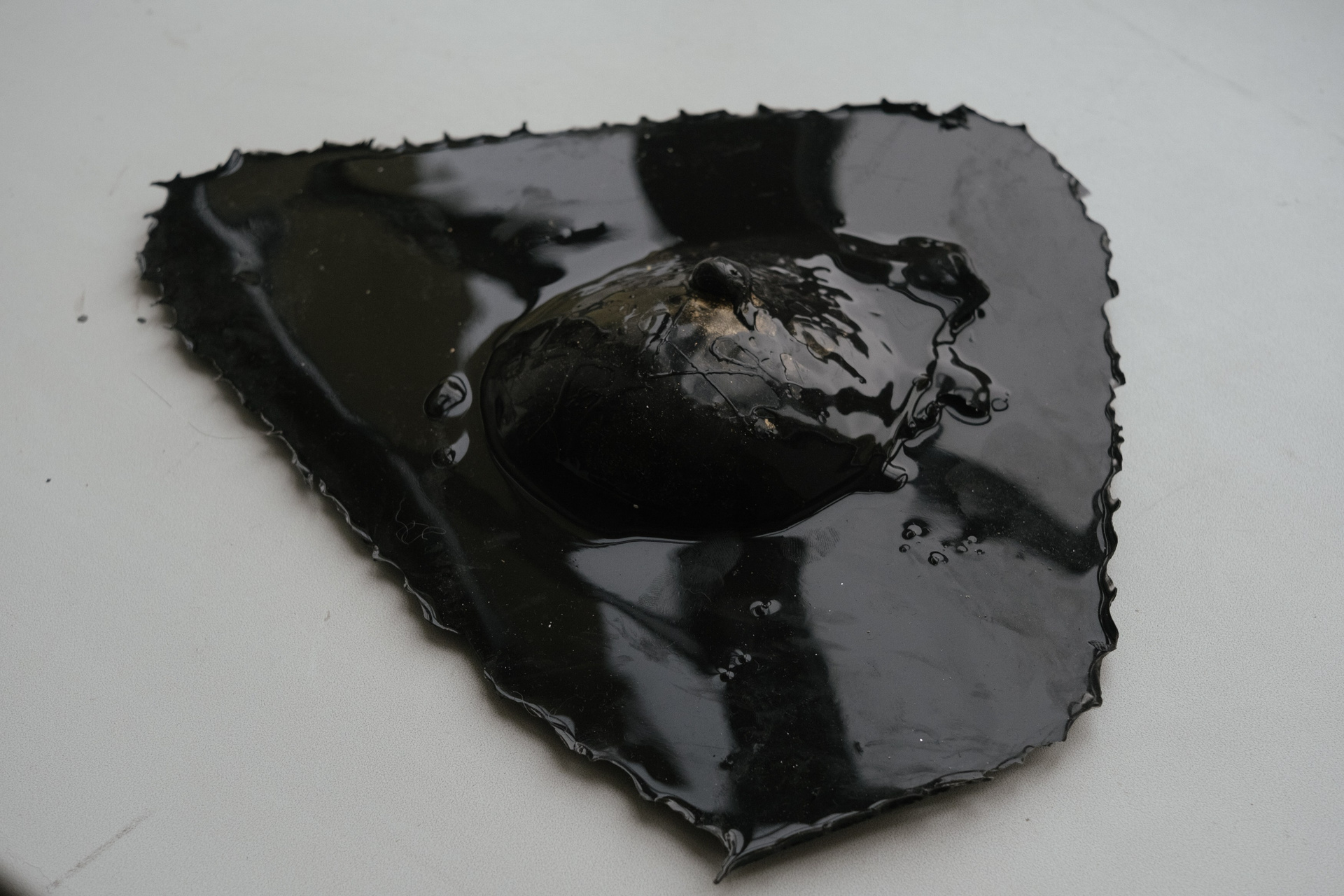
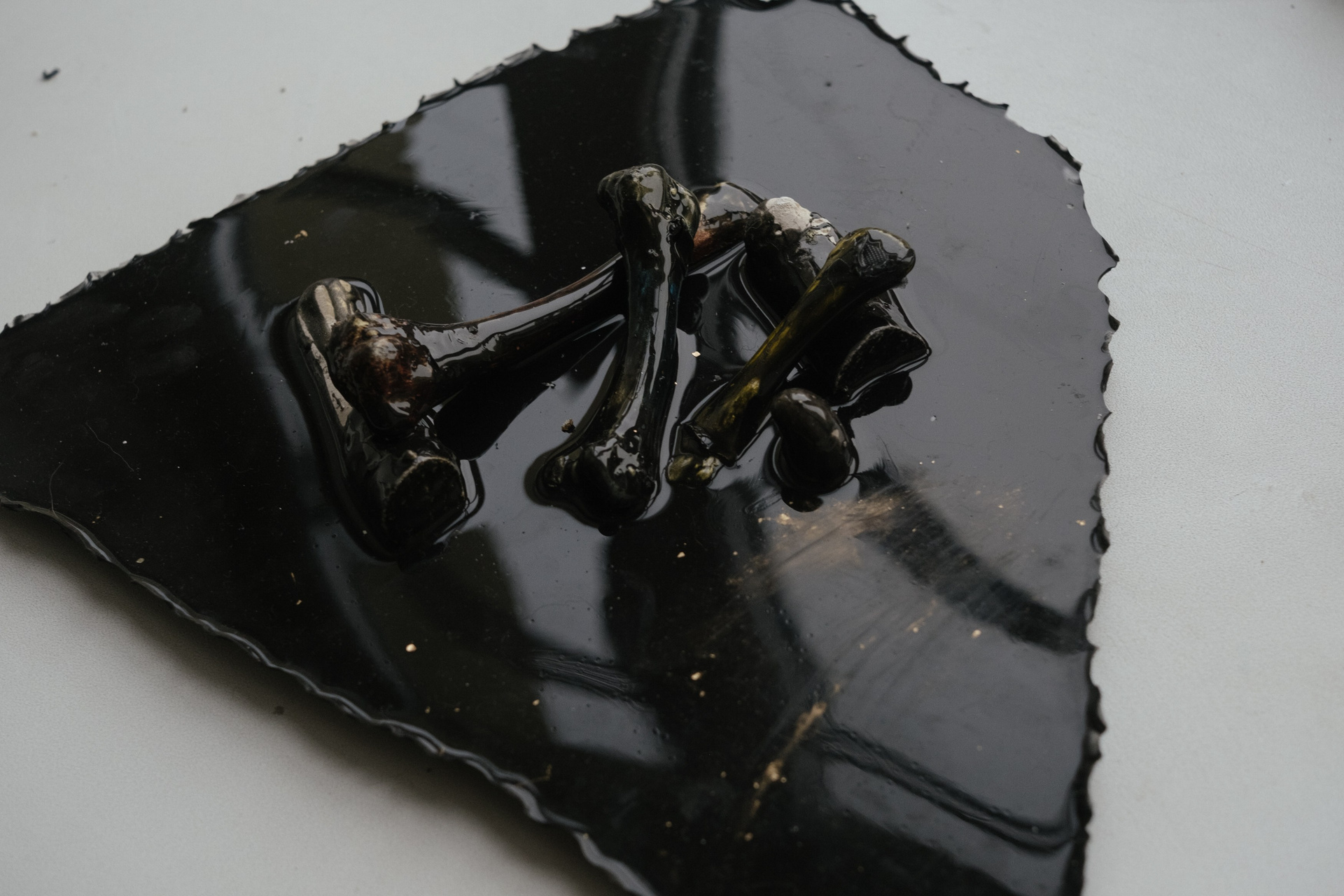
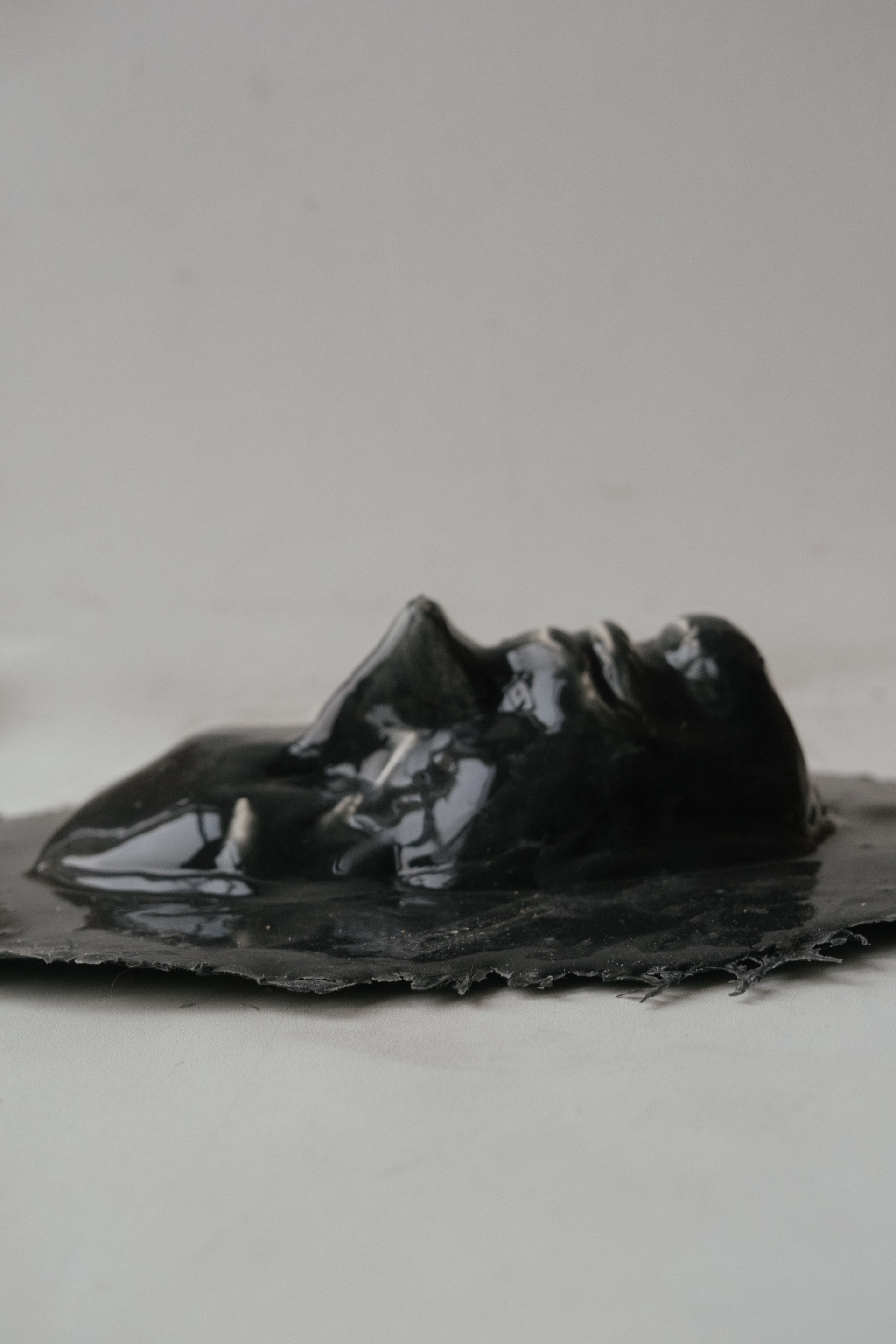
The Fossil Fuel Myth / 2020–2026 years
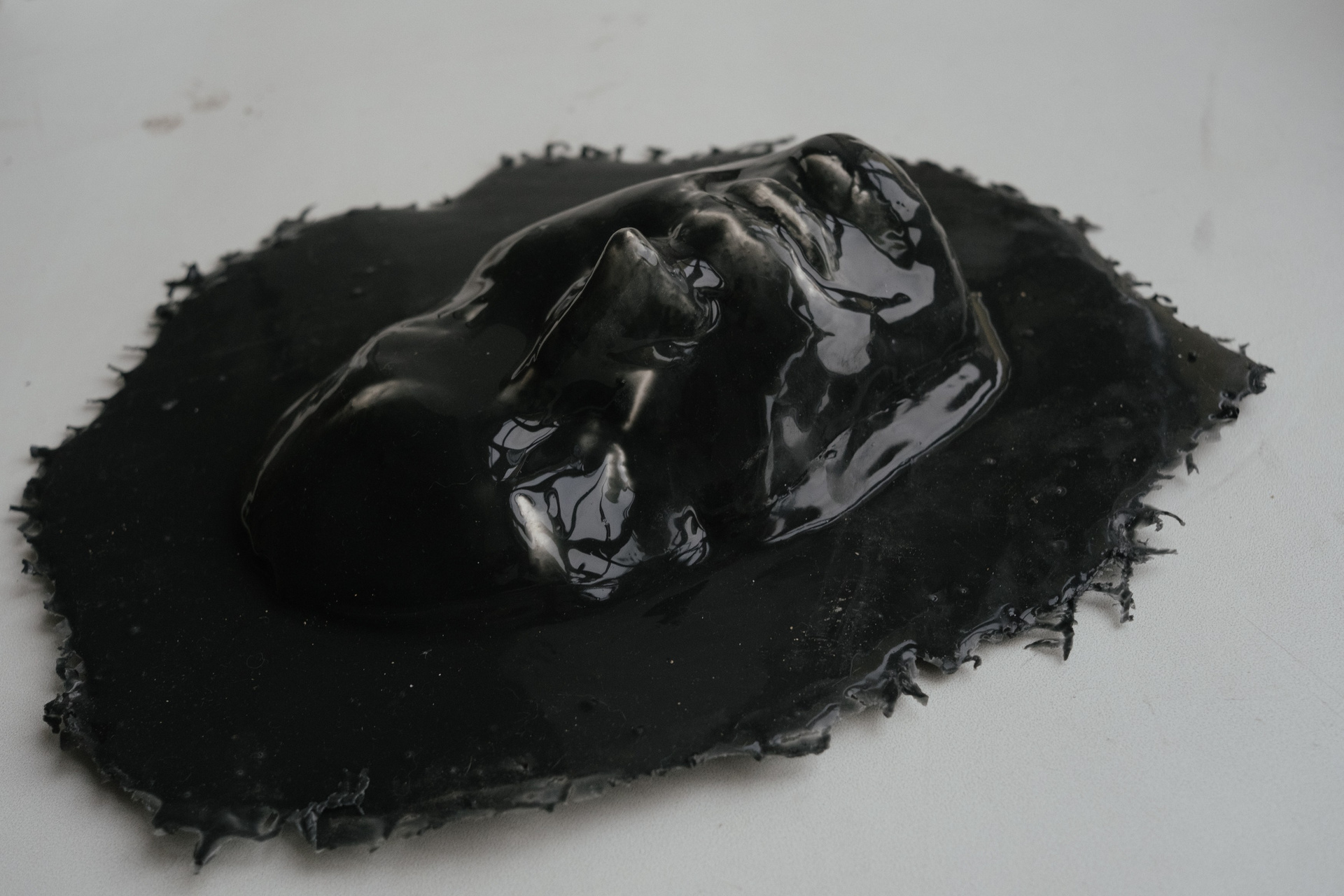
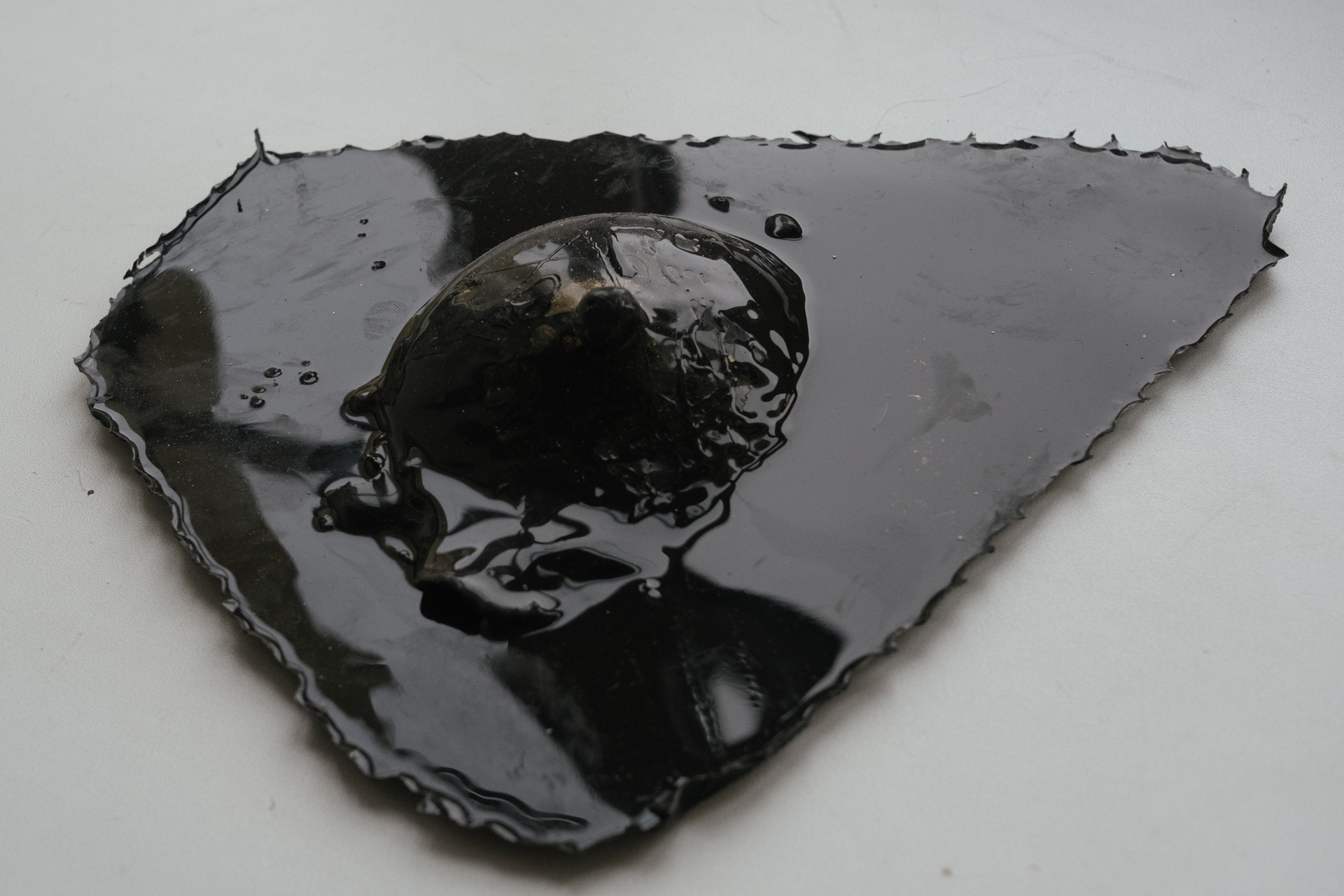
“A post-apocalyptic entity composed of organic corpses flattened, piled up and liquidated in sedimentary basins (mega-graveyards). Oil as the post-mortem production of organisms is bound to death. Since its ethos — both origin and end — is purely teleological, whatever it inspires is founded on death and the logic of death and eventual conclusion”
“God can only appear (reveal itself) when all possibilities of the Earth are depleted. The Myth of Fossil Fuels is connected to the institutionaliza tion of religious expectation and anticipation through the oil industry: with every thing we produce with oil, we get a little closer to God.”
Reza Negarestani “Cyclonopedia”
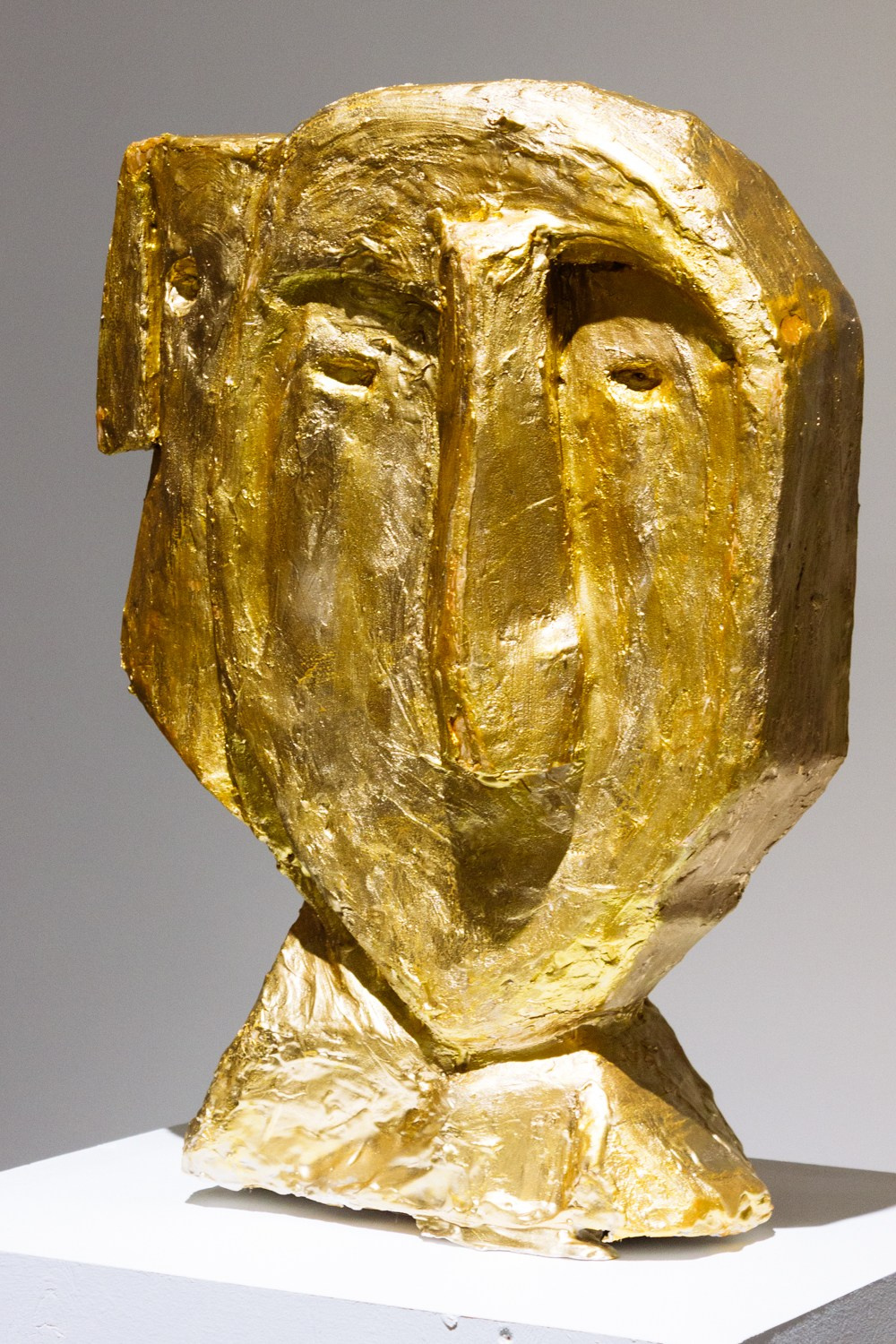
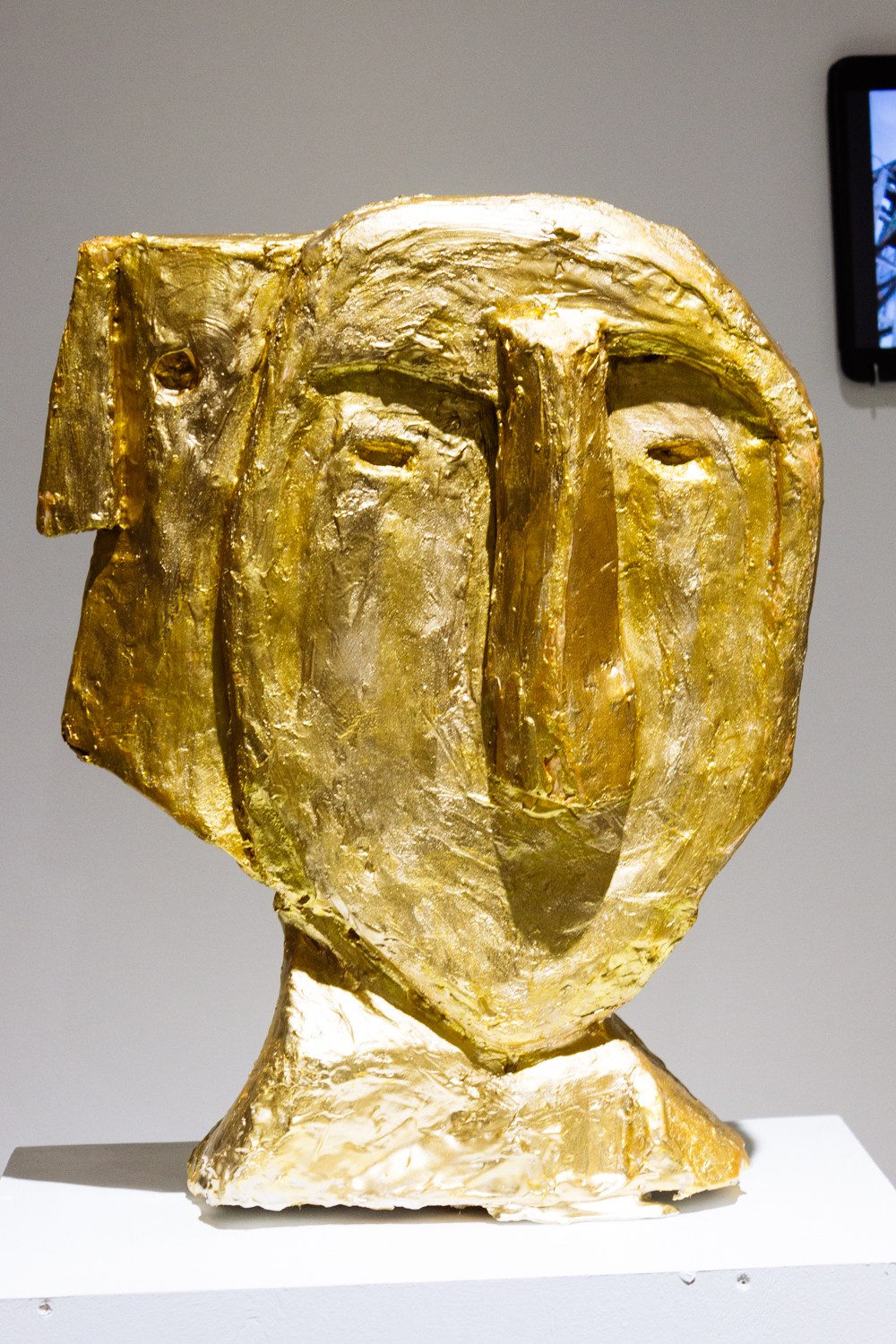
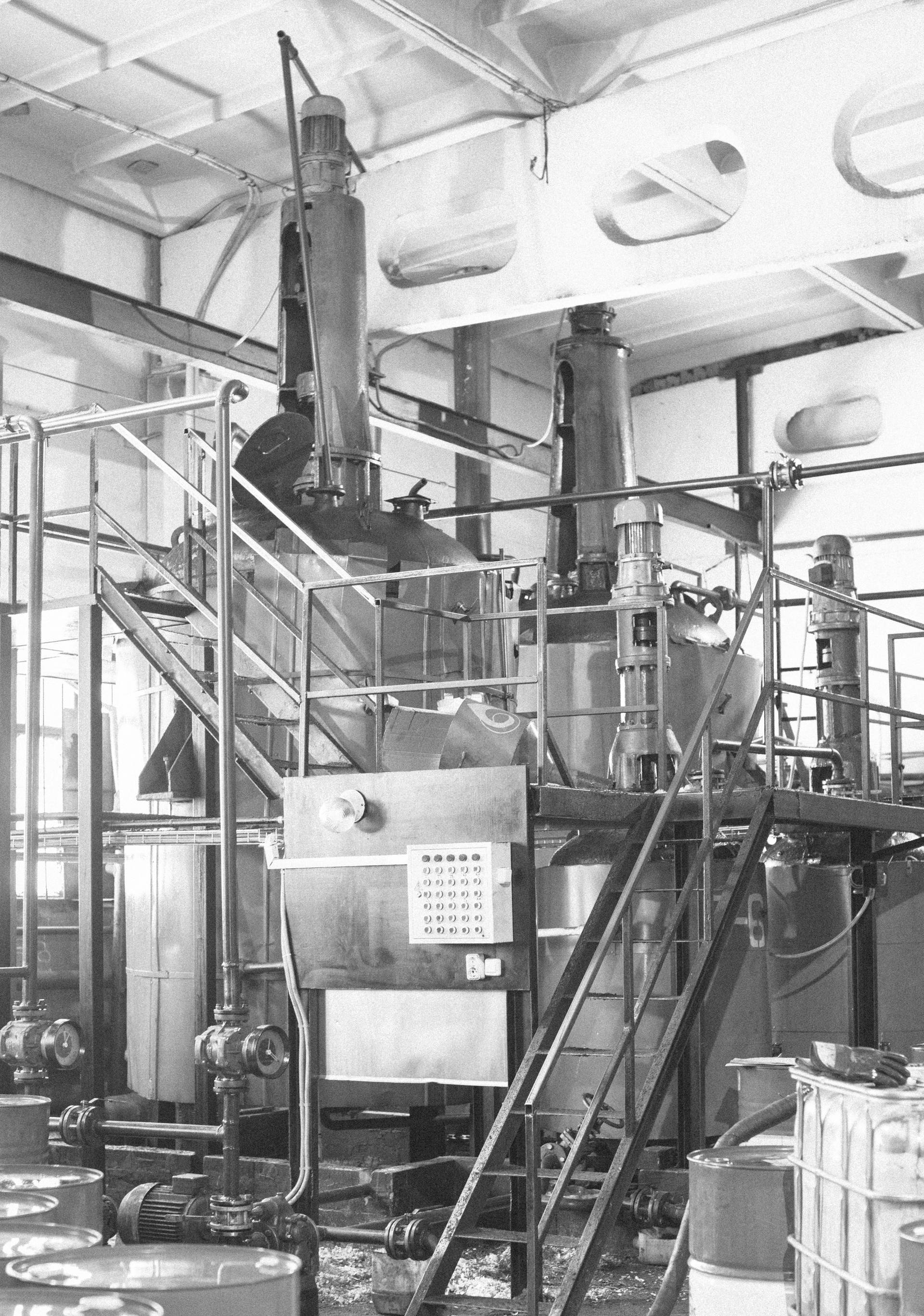
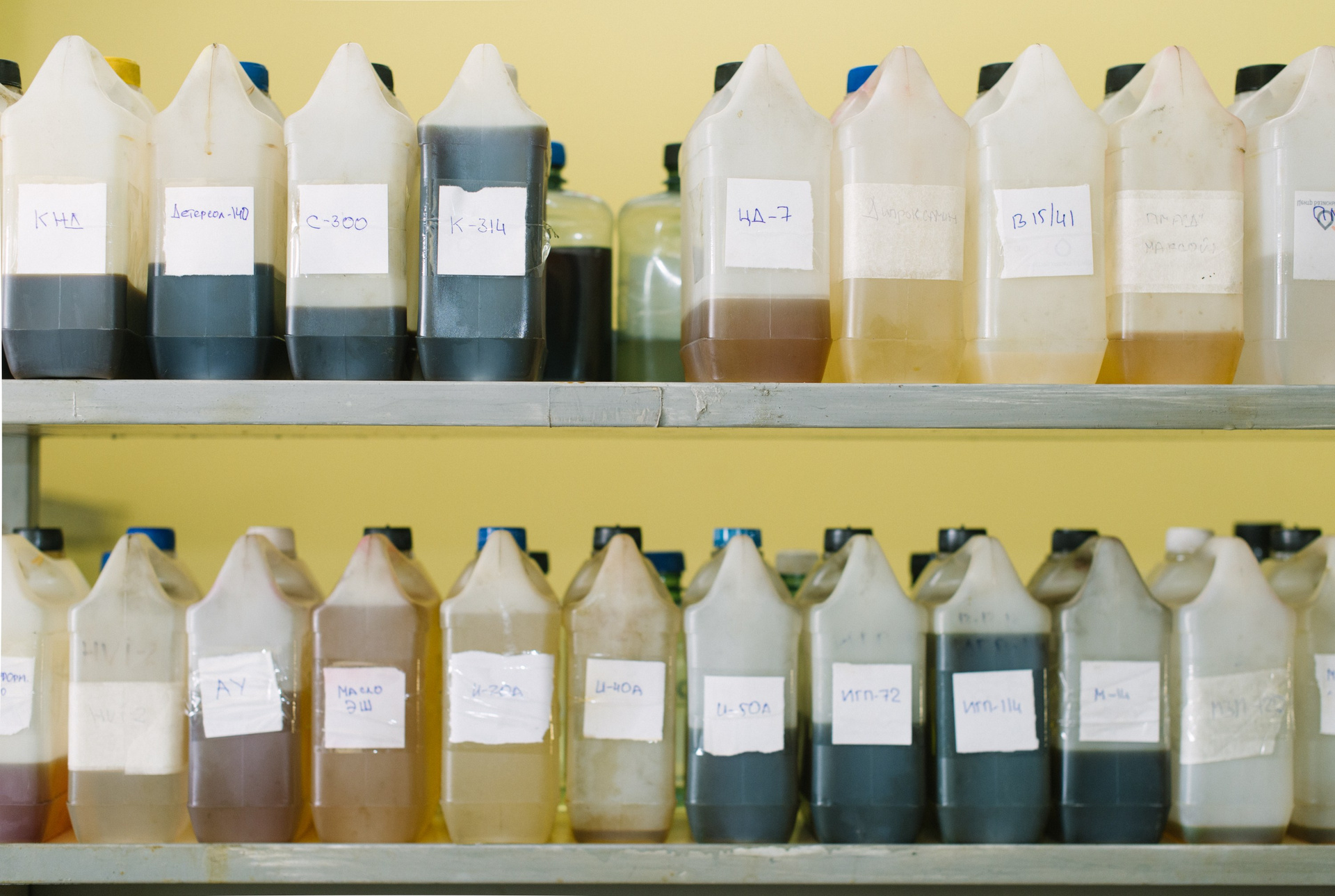
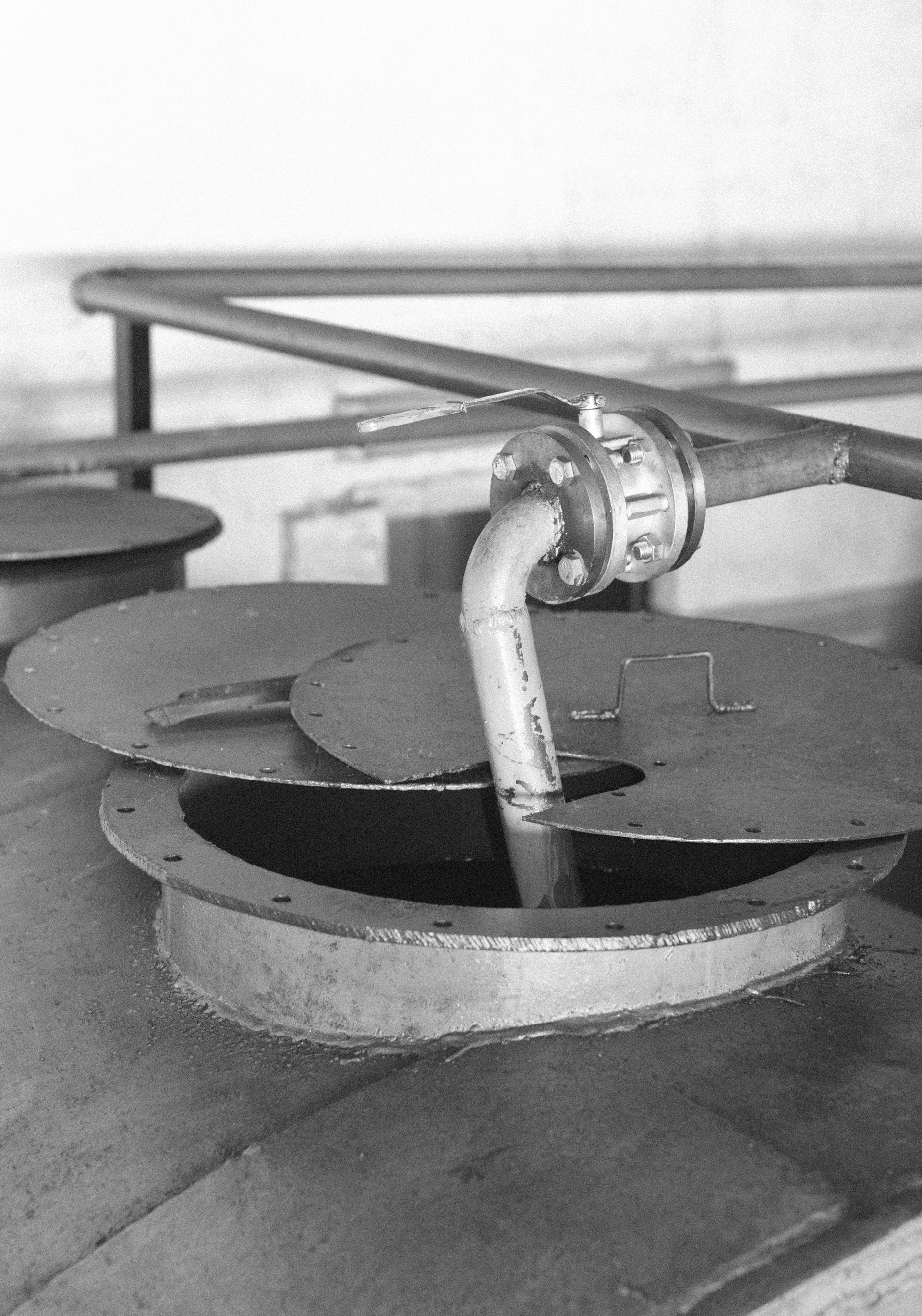
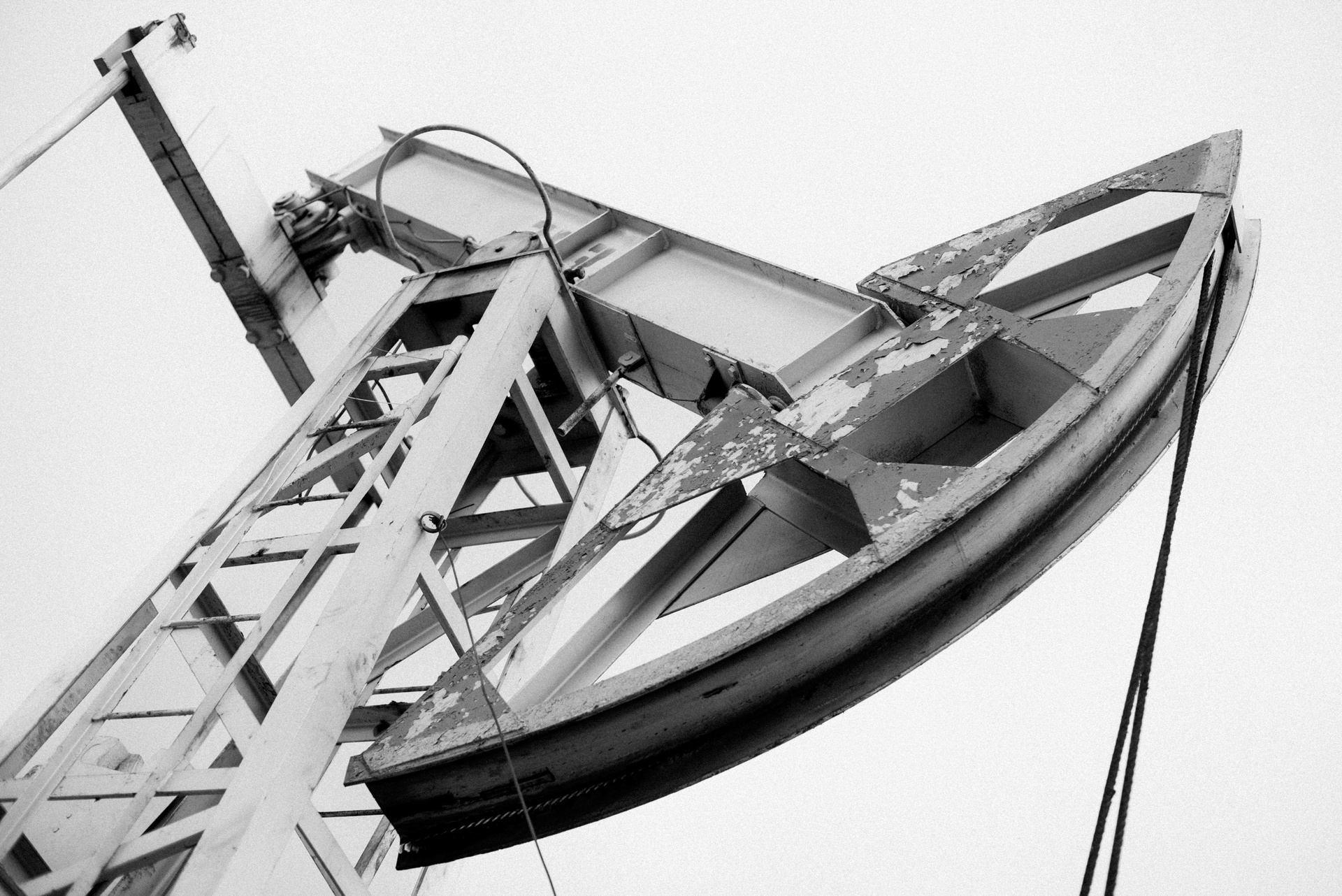
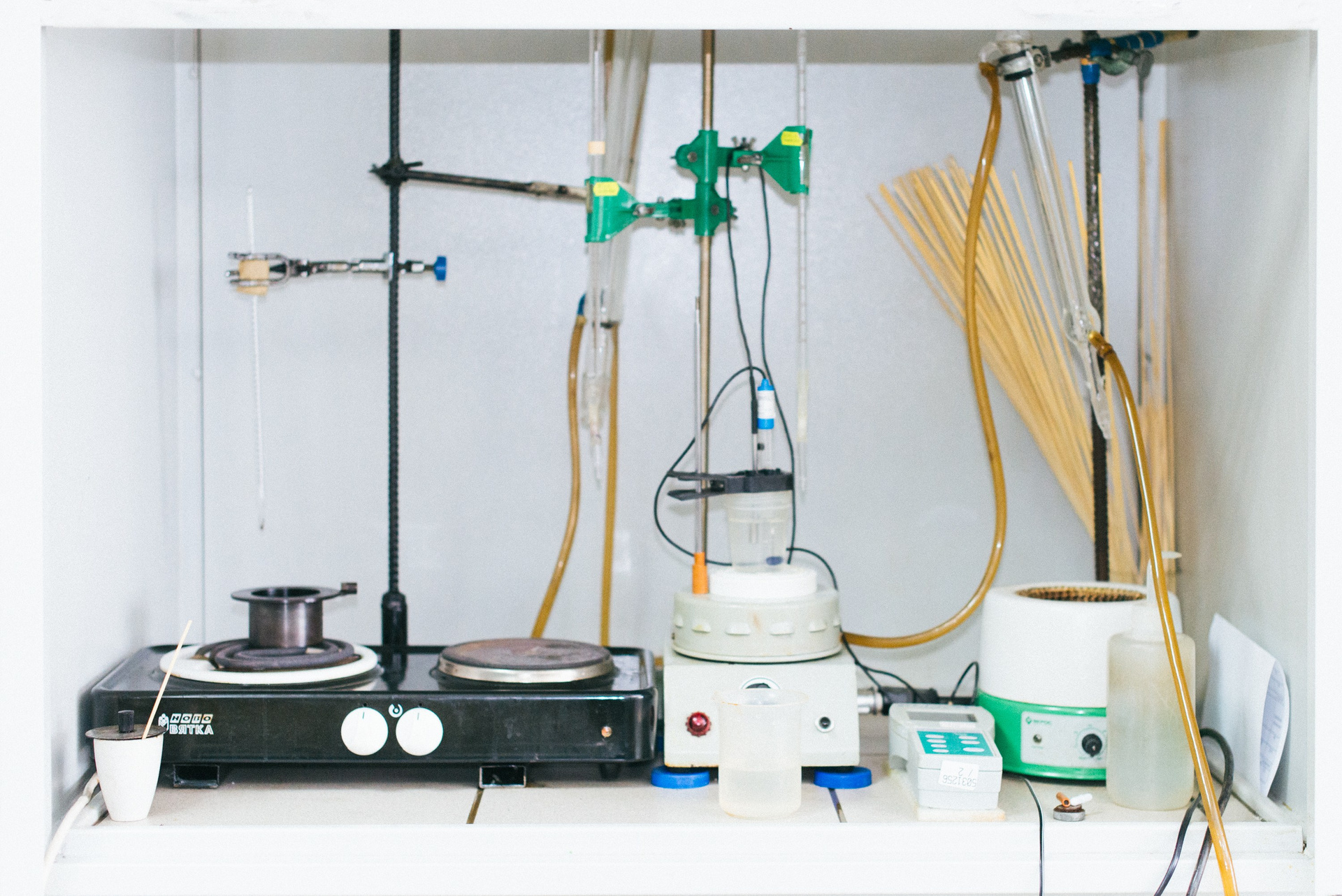
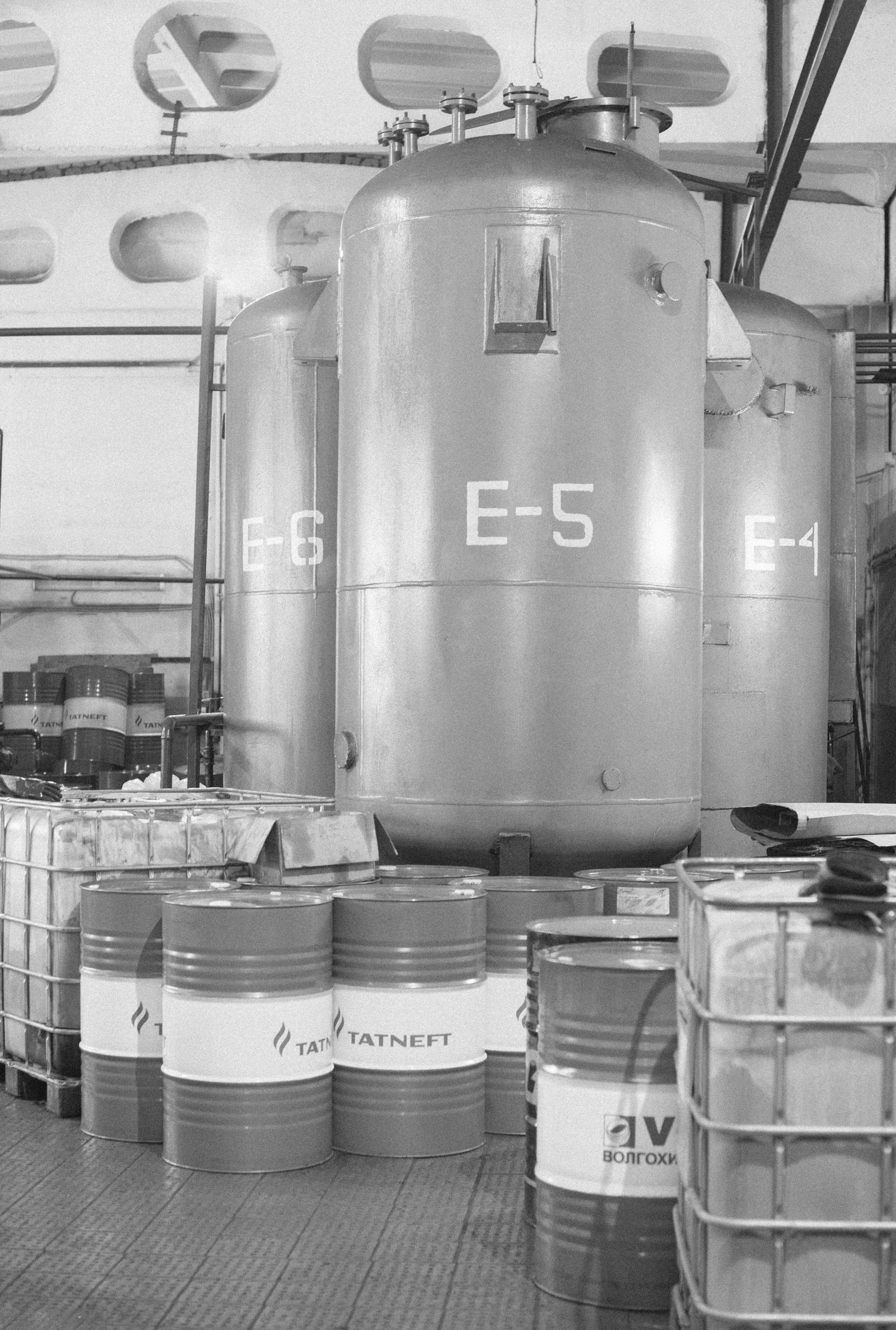
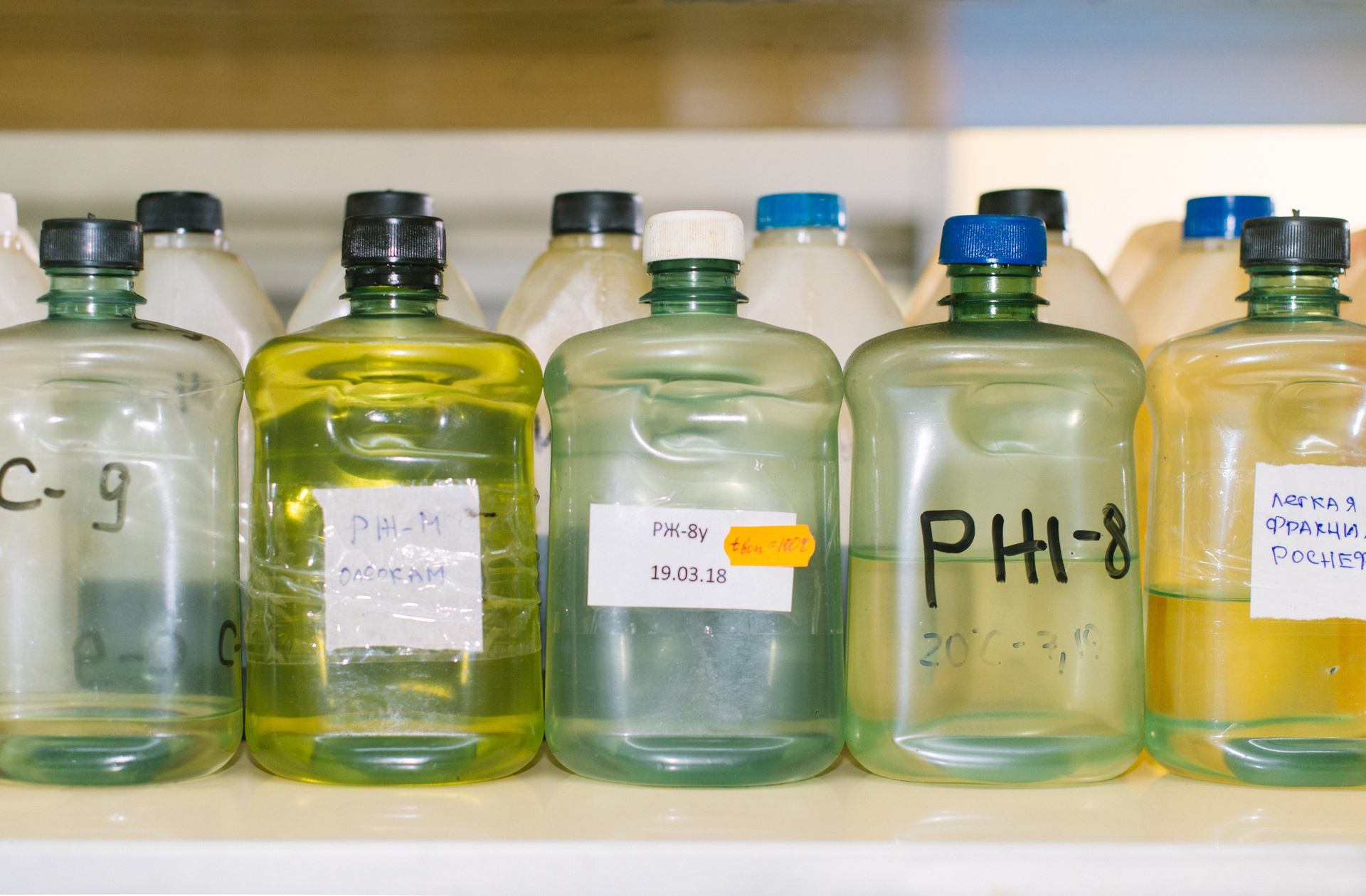
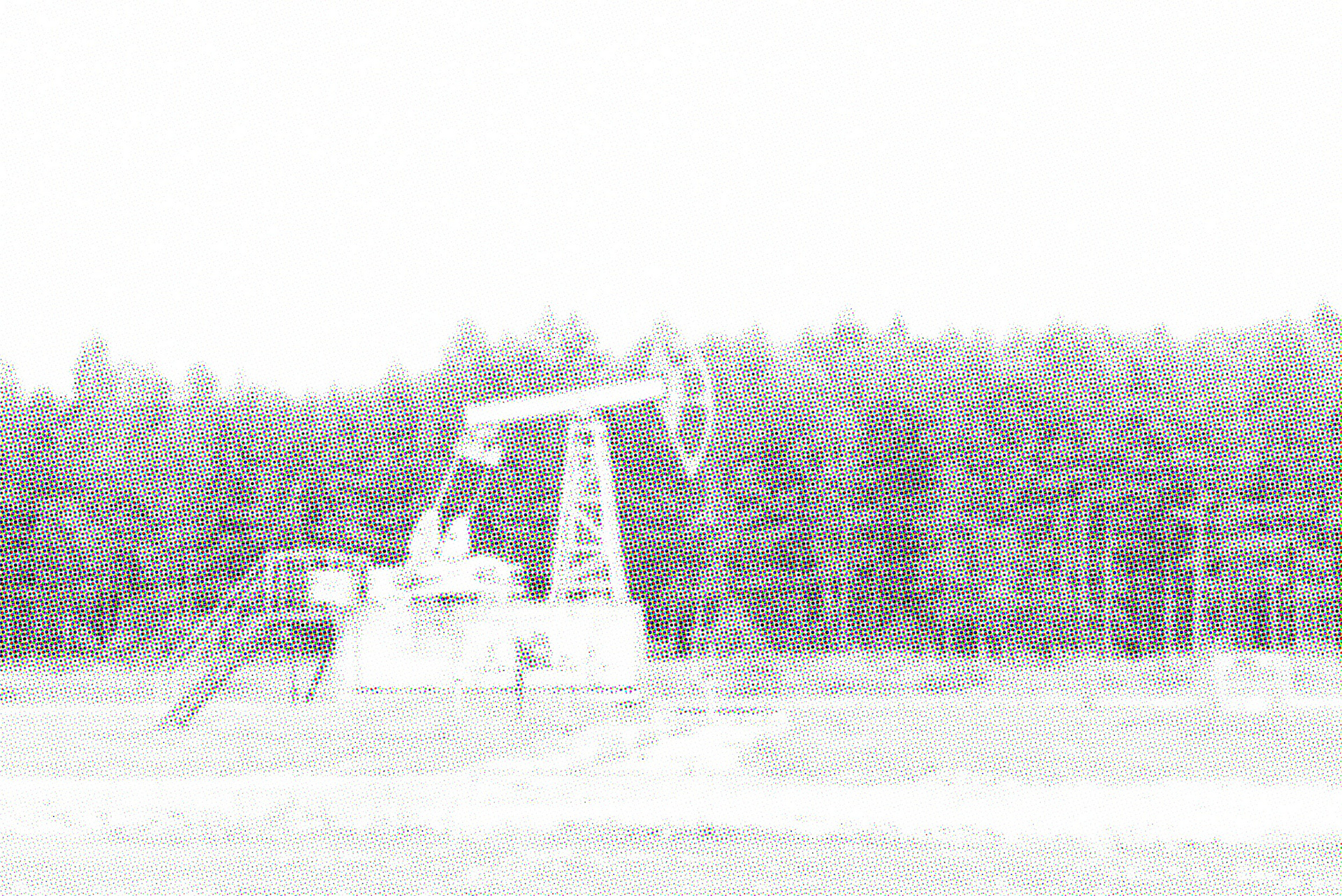
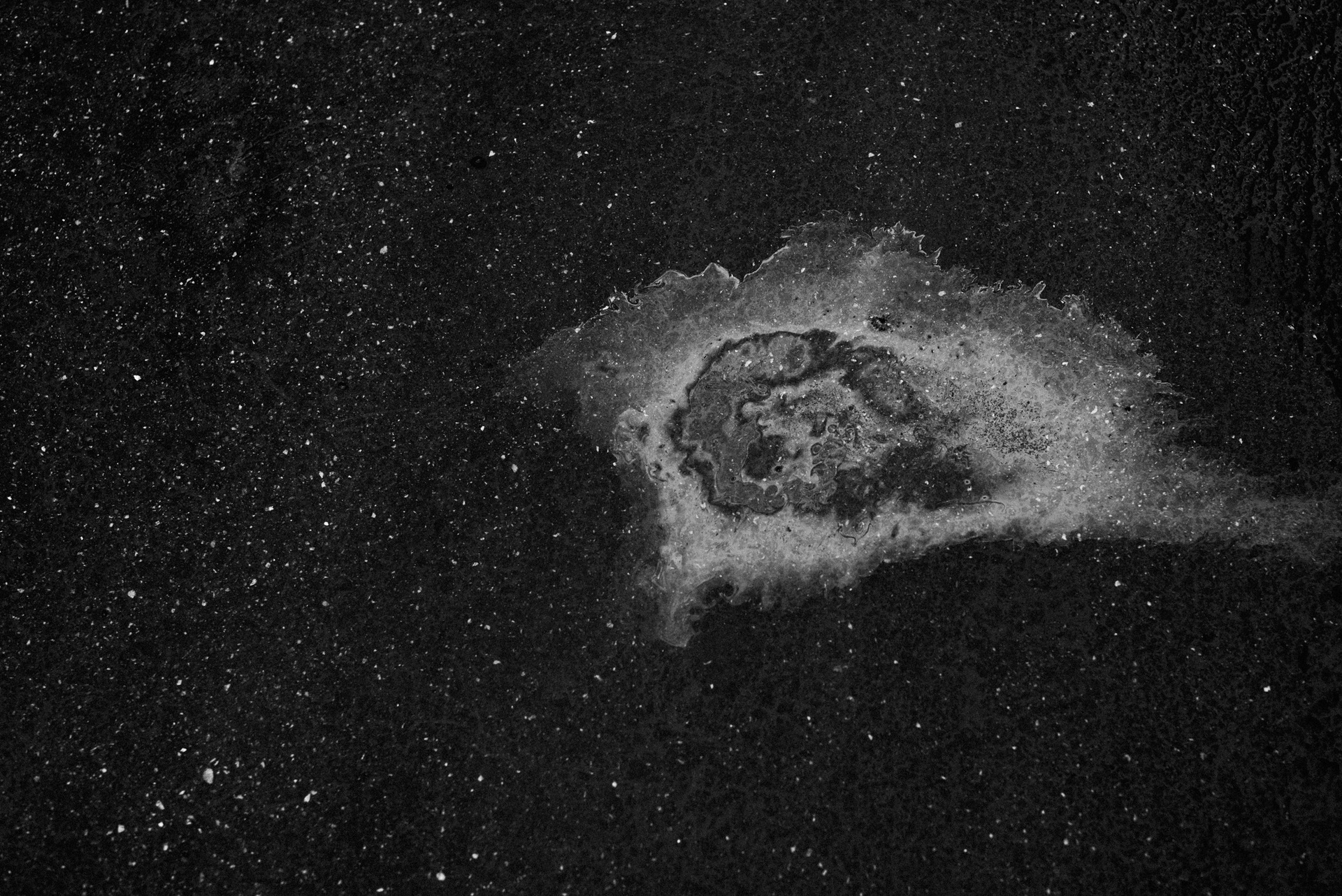
The philosophical-artistic project was developed over 5 years in the Republic of Tatarstan — one of Russia’s key oil-producing regions. The project became a space for rethinking the role of oil not only as an energy source but also as a metaphysical object shaping the region’s politics, identity, and landscape. The conceptual foundation drew from the theses of Iranian theorist and philosopher Reza Negarestani, particularly his work “Cyclonopedia.”
I was born and lived for 18 years in Tatarstan, one of Russia’s key oil-producing regions. In Tatarstan, oil not only defines the economy but also becomes a social dream and an object of aspiration. For many people working there, it is not merely a career choice but a symbol of social fulfillment. Oil stands as a symbol of reliability, as only a few gain entry into this elite cult of petrochemistry.
In Reza Negarestani’s book, oil is considered not merely as a substance but as a “fluid intelligence” possessing its own will and acting through human and non-human agents. In the project, this entity is represented by Zilant — a winged serpent from Tatar mythology, associated with the myth of Kazan’s founding. I connected this serpent with another ancient symbol — the Ouroboros. It is interpreted as a representation of eternity and infinity, especially the cyclical nature of life: the alternation of creation and destruction, life and death.
The project also incorporates the theory of M. King Hubbert, who predicted peak oil production and the inevitable depletion of hydrocarbon resources. Within the context of Hubbert’s and Negarestani’s views, oil emerges as a temporary form of intelligence that destroys itself. The disappearance of oil is portrayed not simply as the end of an energy era, but as the end of the logic we are accustomed to: the logic of progress, industrial power, and resource control.
The servants of the oil cult, blinded by greed, have forgotten that the Apocalypse lies at the end of the pipeline. For there is no darkness in the world that is not reflected in oil.
Description
Project consist of
- 25 digital photos
- 5 sculptures
- 2 video-installation
Exhibitions
- COSMOSCOW art fair 2025
- Personal exhibition in “Nepokorennye” gallery, Saint-Petersburg, 2022
- CCA “Smena” “It seems there will be an exhibition in Kazan”, Kazan, 2022
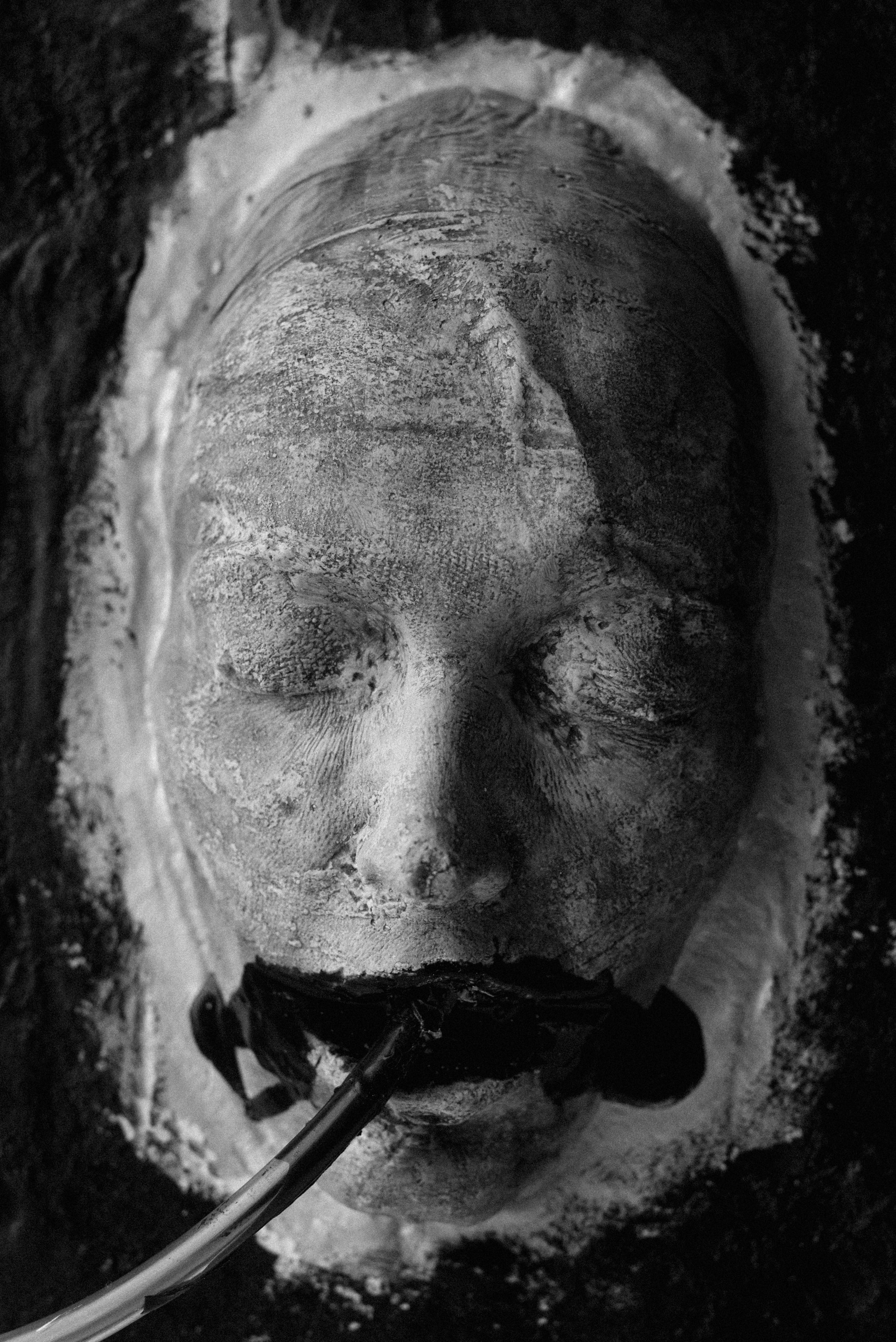









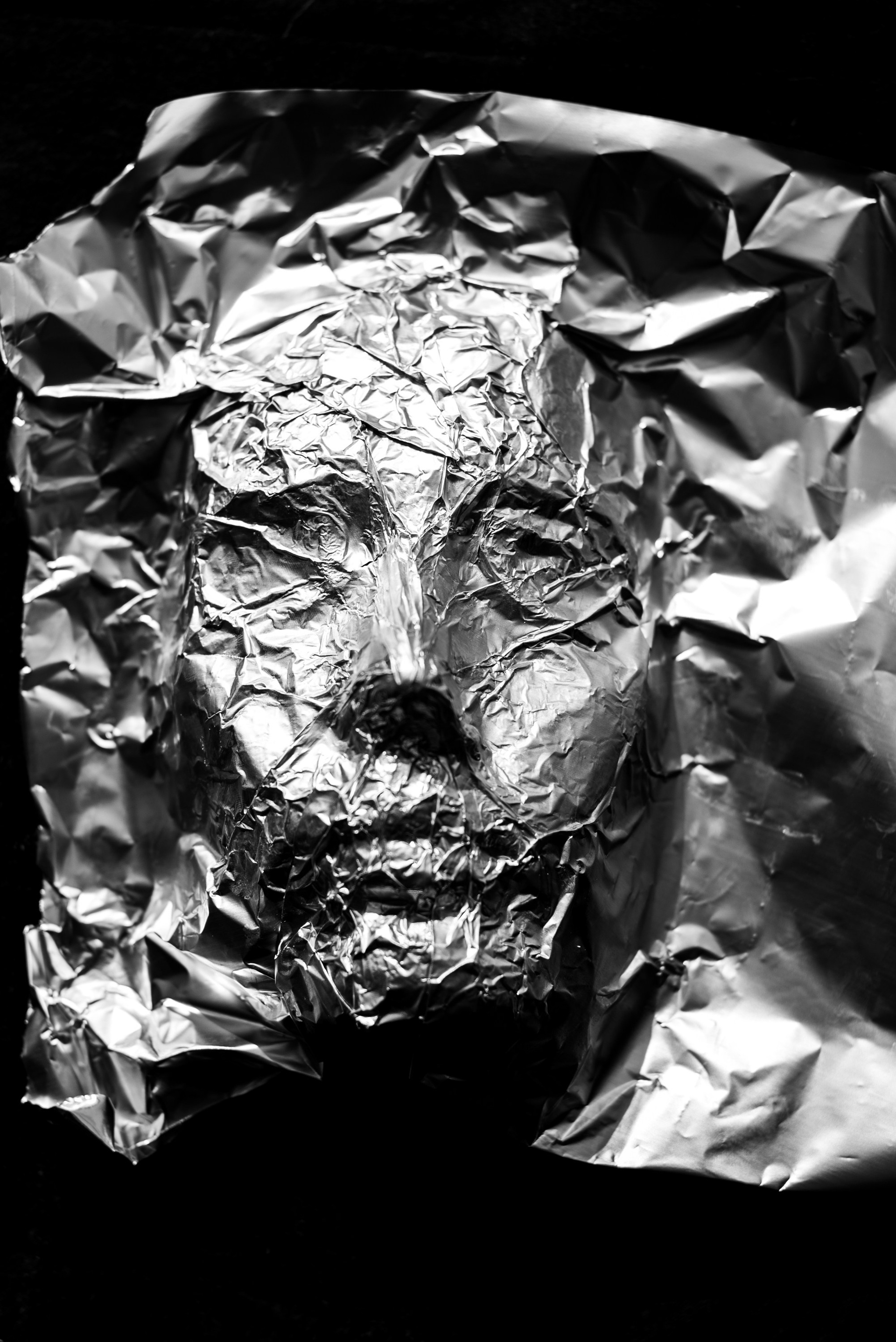
Скульптуры